

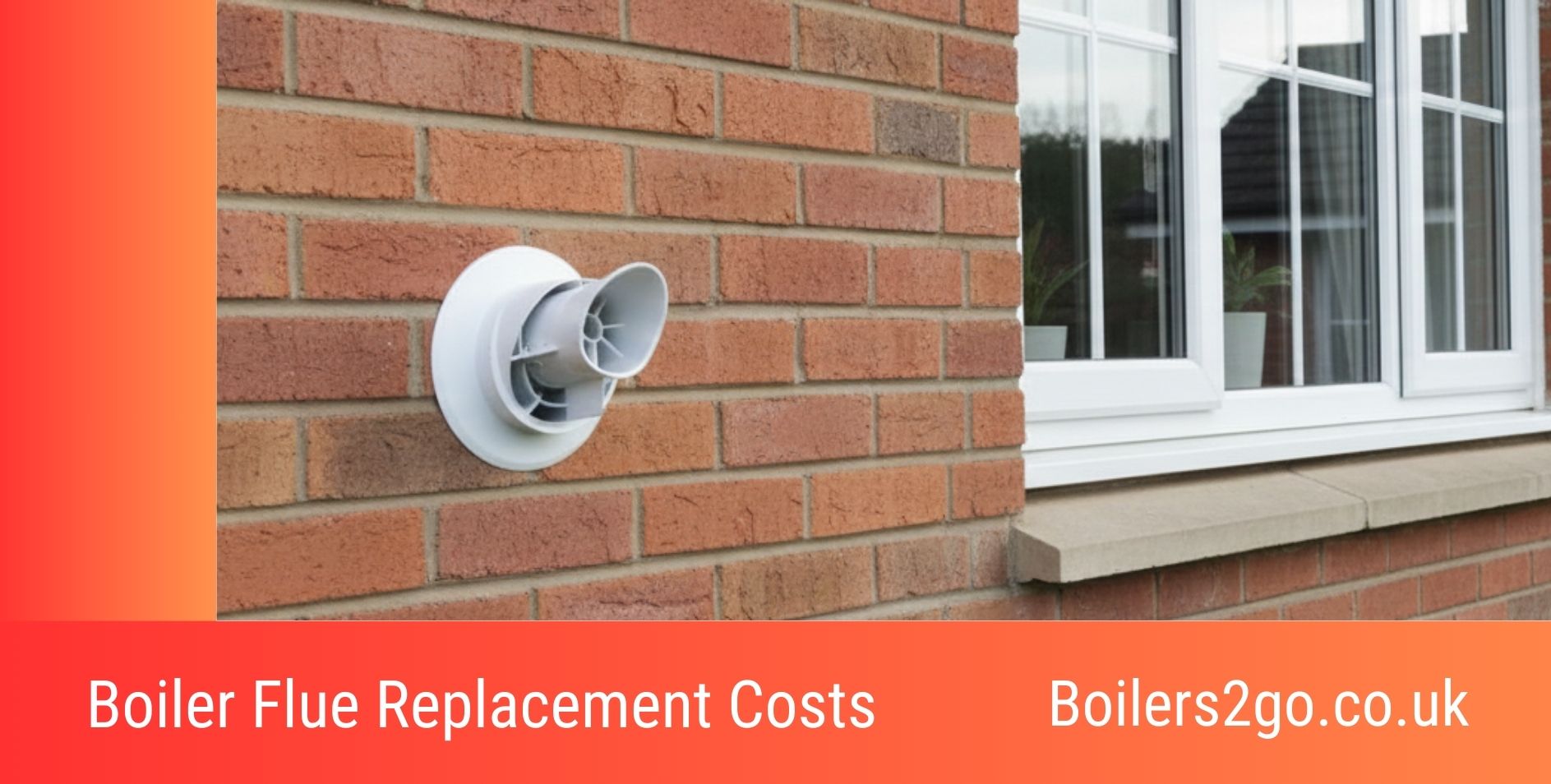
In 2026, replacing a boiler flue in the UK typically costs between £220 and £850, depending on the flue type, access, and how much work is involved.
The key constant is that flue work must always be carried out by a Gas Safe Register registered engineer. Even what looks like a simple flue swap is legally classed as gas work.
For straightforward jobs, that price usually includes parts and labour. More complex installations — especially anything involving roof work — can push costs higher than many homeowners expect.
Get a boiler cover, repair and annual service plan online here >
Why Boiler Flue Replacement Costs Vary So Much
From the outside, a boiler flue looks like a short pipe. In reality, replacing one can range from a tidy half-day job to a multi-day project depending on the property.
Boiler flue replacement costs tend to rise when:
- The flue exits through the roof rather than a wall
- Extra pipe lengths or bends are needed
- Scaffolding or specialist access is required
- The flue route must be altered to meet current Building Regulations
Rising labour rates and material costs since 2024 mean these differences are more noticeable in 2026 than they used to be.
Boiler Flue Replacement Video Guide
Horizontal vs Vertical Flues: The Biggest Cost Difference
Most UK homes have horizontal flues, and these remain the cheapest and quickest to replace.
A standard horizontal flue running straight through an external wall now typically costs £220–£300 supplied and fitted. The flue kit itself is still relatively affordable, but labour rates have increased.
Vertical flues are significantly more expensive. Because they run through the property and exit via the roof, they often require extensions, flashing kits, and sometimes scaffolding.
In 2026, total costs commonly sit between £450 and £850, and can exceed that if access is difficult.
In short, height, time, and safety equipment — not the flue itself — drive the price.
Boiler Flue Replacement Costs: Parts vs Labour in 2026
Labour now accounts for a larger share of the bill than it did a few years ago.
As a realistic breakdown:
- Parts usually make up around 35–55% of the total cost. This includes the flue kit, seals, brackets, and extensions.
- Labour makes up the remainder, covering assessment, cutting, fitting, sealing, testing, and certification.
Vertical flues, roof work, and awkward access push labour toward the higher end, especially with current day rates.
Flue Costs When the Boiler Needs Moving Too
Flue replacement on its own is one thing. Boiler relocation is another. Our guide on whether you can move a boiler covers the regulations and practicalities, while the figures below focus on the flue.
If the boiler is being moved — for example during a kitchen renovation or layout change — flue costs rise quickly. Each additional metre of flue extension now typically adds £90–£150, depending on manufacturer and routing.
Once you factor in new pipework (£500–£700), drilling new flue openings, and compliance testing, relocating a boiler can add £700–£1,200 to the overall job. In many cases, that makes upgrading to a new boiler the more cost-effective option. Our guide to moving boiler costs covers this in more detail.
Listed Buildings and Conservation Areas: Higher Costs Are the Norm
Flue replacement in listed or conservation properties almost always costs more in 2026.
Planning conditions may require:
- Specialist or low-visibility terminals
- Matching brick or stone vents
- Stainless steel or internally routed flues
These requirements commonly add 25–60% to the overall cost. Vertical flue installations in these properties frequently land between £900 and £1,400 once surveys, approvals, scaffolding, and specialist materials are included.
Timescales are also longer due to planning approval and heritage sign-off.
Is Flue Replacement Included With a New Boiler?
In most cases, yes — and this is where homeowners often save money. Our guide to how much a plumber charges to install a boiler shows what goes into a typical installation quote.
New boiler installations in 2026 typically range from £2,100 to £3,800, with the flue included in the price. Bundling the flue into the install avoids standalone labour charges and ensures full compliance with current standards.
It also removes the risk of fitting a new flue to an ageing boiler that may not last much longer.
Can Annual Servicing Reduce Flue Replacement Costs?
Yes.
Annual boiler servicing now typically costs £90–£140, and always includes a flue inspection. Engineers check for UV damage, failed seals, movement, and terminal condition. Our guide to what a boiler service includes covers the other checks involved.
Catching minor issues early can prevent emergency replacements, which often exceed £600–£900 when carried out out-of-hours or during winter demand spikes.
Many boiler cover or home-care cover plans also include flue inspections and minor flue repairs, if they do end up turn into costly or dangerous issues.
How Long Does Boiler Flue Replacement Take?
Timescales remain broadly the same, even though costs have risen.
A standard horizontal flue replacement usually takes 2–4 hours and is often completed the same day.
Vertical or complex replacements typically take 1–2 days, depending on roof access, weather conditions, and whether scaffolding is required. Final safety testing and certification are always part of the job.
The Bottom Line on Boiler Flue Replacement Costs in 2026
In 2026, boiler flue replacement costs are driven less by the flue itself and more by labour, access, and compliance.
Horizontal flues remain the most affordable option, while vertical flues, relocations, and heritage properties carry significantly higher costs. Getting two or three Gas Safe quotes is still the best way to understand what’s realistic for your home — and to avoid surprises once work starts.
Boiler Flue Replacement: FAQs
Do Boiler Flue Regulations Change When Replacing Windows or Doors?
Yes. Replacing windows or doors can change airflow around a flue and may bring it out of compliance with current clearance rules. If new glazing reduces ventilation or alters opening positions near the flue, an engineer may need to assess or adjust the flue to keep it compliant.
Can a Boiler Flue Be Extended Rather Than Fully Replaced?
In some cases, yes. If the existing flue is in good condition and compatible with the boiler, a Gas Safe engineer may be able to add approved flue extensions. However, extensions must still meet manufacturer limits and Building Regulations, which often cap total flue length and number of bends.
Does Weather Affect Boiler Flue Performance?
It can. Cold weather increases visible pluming, while strong winds can affect draft and pressure at the terminal. Heavy frost, snow, or driving rain may temporarily disrupt flue operation, especially on exposed walls or roofs.
Can a Blocked Flue Damage the Boiler Itself?
Yes. A restricted or partially blocked flue can cause the boiler to shut down repeatedly, overheat, or run inefficiently. Over time, this extra strain can damage internal components and shorten the boiler’s lifespan.
Why Do Some Boiler Flues Drip Water Onto Paths or Patios?
Condensing boilers produce acidic condensate and water vapour. In certain conditions, this can drip from the flue terminal and leave marks or create slippery patches. Plume management kits or repositioning can usually resolve the issue.
Can Insects Cause Boiler Flue Problems?
Yes. Insects can build nests inside flue terminals or grills, especially during warmer months. While less common than bird nests, this can still restrict airflow and cause boiler faults.
Can a Noisy Boiler Be Caused by the Flue?
Sometimes. Whistling, whooshing, or rattling noises can be caused by loose flue joints, wind turbulence at the terminal, or incorrect flue sizing. These issues often show up during high demand in winter.
Do Different Boiler Brands Use Different Flue Systems?
Yes. Flues are manufacturer-specific and must match the boiler model exactly. Mixing flue parts from different brands is unsafe and non-compliant, even if they appear to fit.
Can Solar Panels or Heat Pumps Affect an Existing Boiler Flue?
They can. New roof installations or external units can obstruct airflow around a flue or interfere with required clearances. Any major external work should include a flue assessment to avoid compliance issues later.
Should a Boiler Flue Be Checked After Storms or High Winds?
It’s a good idea. Strong winds can loosen joints, shift terminals, or dislodge supports. A visual check after severe weather can catch problems early before the boiler is affected.

I’m Penny North, a home energy heating expert. My mission is to demystify new boilers and complex heating systems to help you achieve a warm, cosy home with lower energy bills and a smaller environmental footprint.