

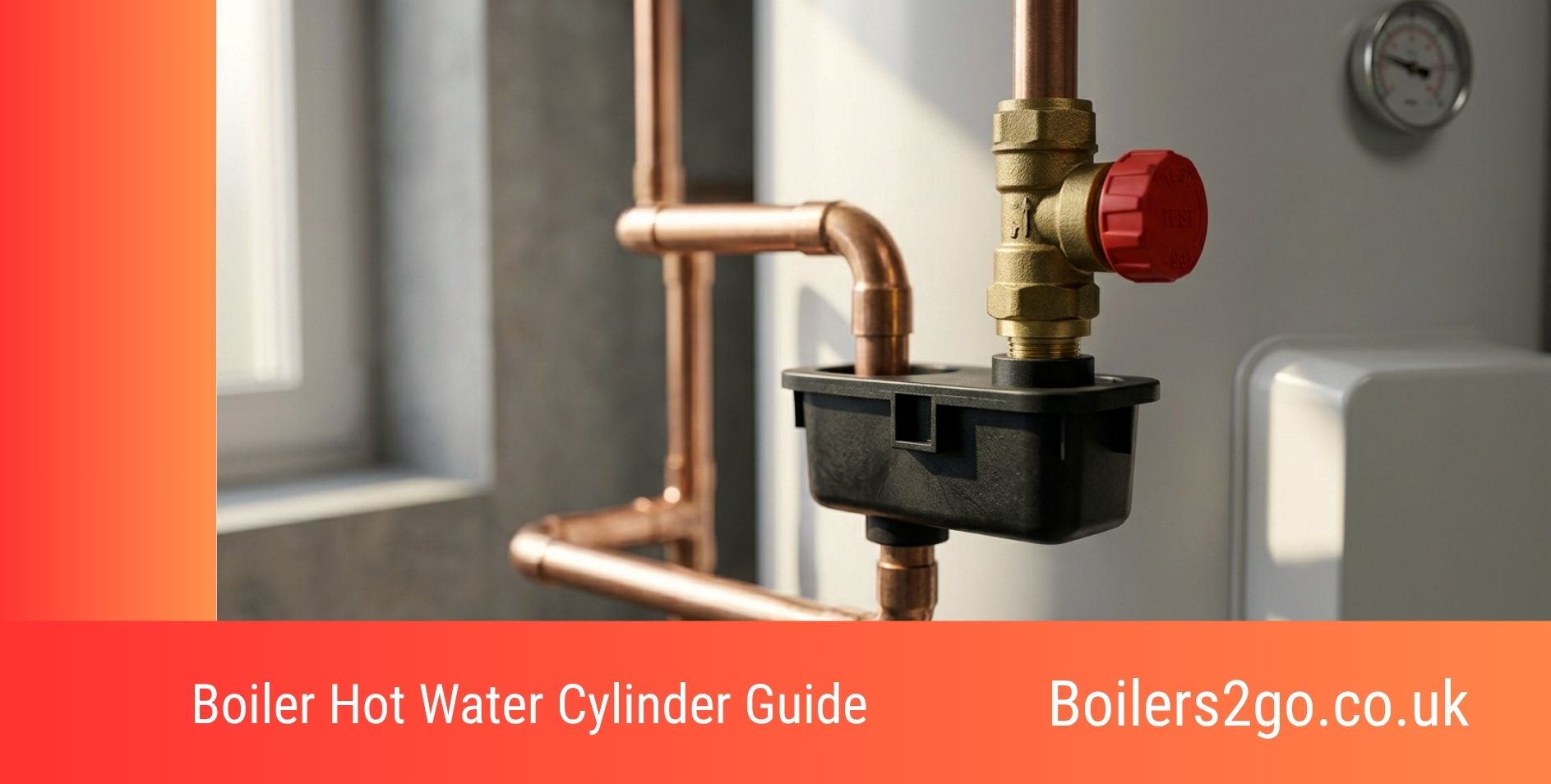
This boiler hot water cylinder guide explains everything UK homeowners and landlords need to know about stored hot water systems in 2026 — from choosing the right cylinder type and size to understanding costs, installation requirements, maintenance responsibilities and how cylinders impact EPC ratings and tenant comfort. One crucial aspect of maintaining a hot water system is understanding how to bleed a radiator efficiently, which can enhance the overall performance of your heating system. Regularly bleeding your radiators ensures that they operate optimally, preventing cold spots from developing. Additionally, this simple maintenance task can lead to increased energy efficiency and lower heating costs for your property.
If your current hot water cylinder is old, leaking or struggling to meet demand, upgrading your boiler and cylinder together can deliver better performance and efficiency. Request a new boiler quote from Boilers 2 Go today for expert advice on compatible systems and competitive pricing.
What Are The Main Types Of Hot Water Cylinders Used With Boilers?
The main types of hot water cylinders used with boilers are unvented cylinders (mains pressure), vented (gravity-fed) cylinders, and thermal store cylinders, each suited to different property types, water pressure and heating demands.
Unvented Hot Water Cylinders
Unvented hot water cylinders operate directly from mains water pressure, delivering powerful showers and fast-filling baths without needing a loft cold water tank.
They require a pressure-reducing valve, expansion vessel and temperature & pressure relief valve for safety, and must be installed by a qualified engineer. Homeowners enjoy excellent flow rates while landlords appreciate reliable hot water performance in multi-bathroom rentals.
Vented Hot Water Cylinders
Vented hot water cylinders rely on a cold water storage tank in the loft and gravity feed, making them common in older properties with conventional boilers.
They are generally cheaper to install and replace but deliver lower pressure and slower recovery times compared with unvented systems. Many landlords replace vented setups during renovations to improve tenant satisfaction and EPC scores.
Thermal Store Cylinders
Thermal store cylinders heat a large volume of water in a store using the boiler or immersion heater, then transfer heat to domestic hot water via a plate heat exchanger on demand.
They provide mains-pressure hot water even in low-pressure areas and support multiple heat sources (gas boiler, solar, heat pump). They suit properties aiming for future low-carbon upgrades.
How Do You Size A Hot Water Cylinder Correctly?
You size a hot water cylinder correctly by calculating daily hot water usage: allow 30–50 litres per person per day plus extra for baths (80–120 litres) and showers (40–60 litres), then choose a cylinder with 10–20% spare capacity to avoid running out during peak demand.
What Are The Typical Costs Of Hot Water Cylinders In 2026?
Typical costs of hot water cylinders in 2026 range from £400–£900 for the cylinder unit (unvented models usually £600–£900) plus £800–£2,000 for installation depending on pipework modifications, labour and whether the existing cylinder is being replaced or added to a new boiler system.
How Does Cylinder Choice Affect Boiler Performance And Efficiency?
Cylinder choice affects boiler performance and efficiency because system boilers and conventional boilers must heat stored water, while combi boilers do not use cylinders at all. Correct sizing prevents short-cycling, improves ErP ratings and reduces gas consumption. when considering combi boiler installation tips for 2026, it’s crucial to select models that balance power and efficiency to suit modern energy standards. Additionally, proper placement within the home can enhance boiler performance and streamline maintenance. As advancements in technology continue to emerge, staying updated on the latest features can lead to significant cost savings in the long run.
What Maintenance And Safety Requirements Apply To Hot Water Cylinders?
Maintenance and safety requirements for hot water cylinders include annual servicing by a qualified engineer, regular temperature checks (stored water at 60°C+ to prevent legionella), expansion vessel pressure checks (unvented systems), and ensuring discharge pipes are clear and safe.
Need A New Boiler Quote?
Pairing a modern boiler with the right hot water cylinder can transform hot water delivery, energy efficiency and EPC performance in your home or rental property. Request a new boiler quote from Boilers 2 Go today for expert system design, transparent pricing and professional Gas Safe installation tailored to homeowners and landlords. When considering electric boiler features for homeowners, it’s essential to prioritize energy efficiency and operational cost savings. Advanced models provide smart technology options that allow for remote temperature control and usage tracking, enhancing convenience and functionality. Additionally, the compact design of many electric boilers makes them an excellent choice for properties with limited space.
FAQs
Can I fit an unvented cylinder in a property with low mains water pressure?
No, unvented cylinders require good mains pressure (usually 1.5 bar minimum); properties with low pressure may need a pumped system or thermal store instead.
How long does a typical hot water cylinder last?
A well-maintained hot water cylinder usually lasts 10–25 years depending on water quality, maintenance frequency and whether it is copper, stainless steel or glass-lined.
Do landlords have specific legal duties regarding hot water cylinders in rentals?
Yes, landlords must ensure cylinders are safely installed, regularly serviced, free from legionella risk, and capable of delivering safe hot water temperatures to comply with the Homes (Fitness for Human Habitation) Act.
Is it worth upgrading from a vented to an unvented cylinder?
Yes, upgrading from vented to unvented cylinders often improves shower performance, removes loft tanks, reduces heat loss and boosts EPC ratings, making it worthwhile during boiler replacement.
Can solar thermal panels work with any type of hot water cylinder?
Solar thermal panels work best with specially designed twin-coil or thermal store cylinders that include a solar coil, though retrofitting is possible on many existing unvented cylinders.

I’m Penny North, a home energy heating expert. My mission is to demystify new boilers and complex heating systems to help you achieve a warm, cosy home with lower energy bills and a smaller environmental footprint.