

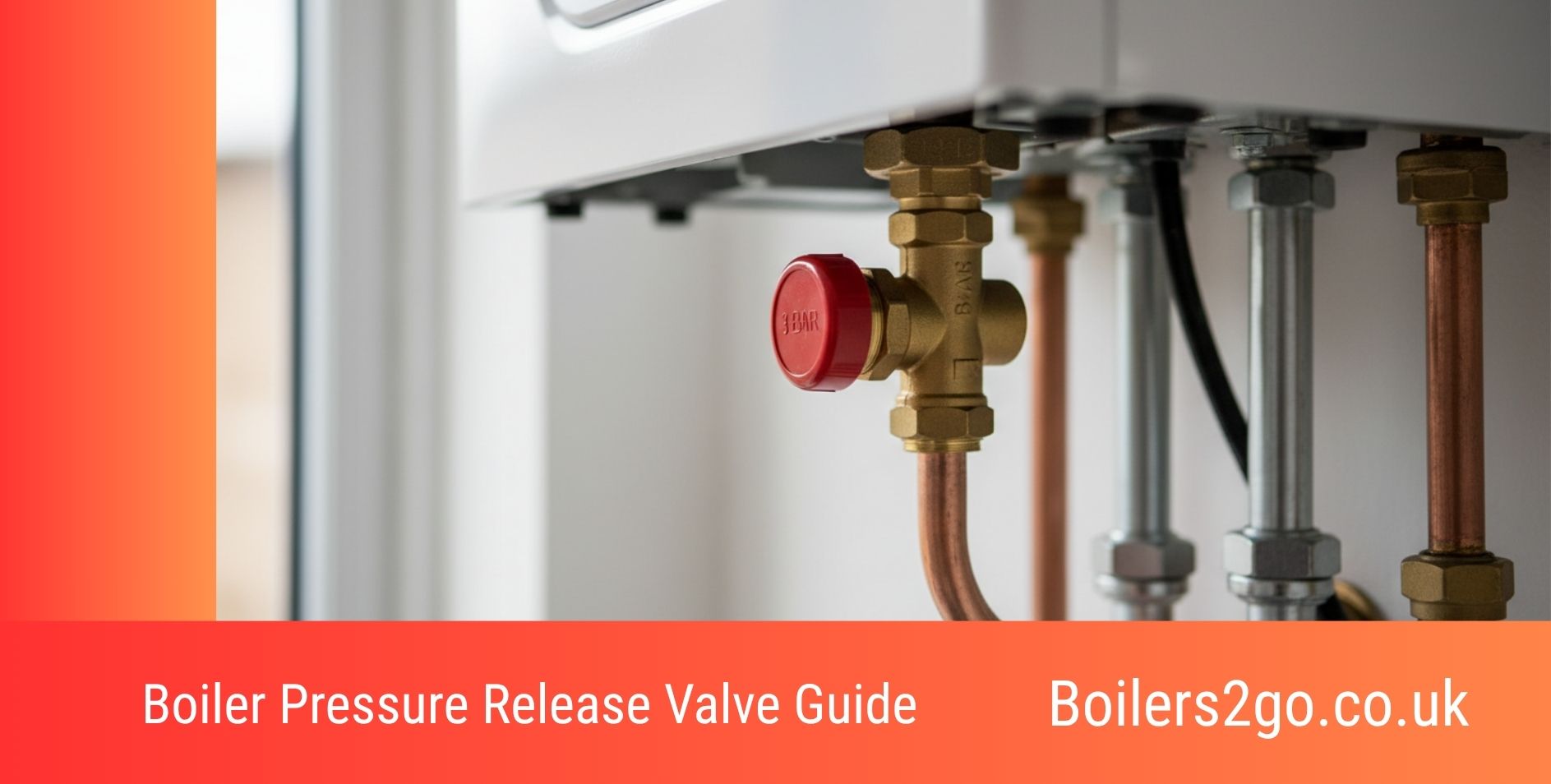
A boiler pressure release valve is a critical safety component that automatically releases excess pressure from your central heating system to prevent dangerous explosions or damage. Understanding its function helps UK homeowners maintain efficient heating while enabling landlords to ensure tenant safety and compliance with gas safety regulations. An essential aspect of ensuring safety and compliance is understanding plumbing regulations for boiler installation. These regulations outline the necessary steps and materials needed to guarantee a safe and efficient setup. By adhering to these guidelines, homeowners can reduce risk factors and enhance the overall performance of their heating systems.
If your boiler pressure release valve frequently discharges water or your system struggles to hold pressure, it may signal deeper issues such as a failing expansion vessel or an ageing boiler. Request a new boiler quote from Boilers 2 Go today for expert diagnosis and modern replacement options.
What Is A Boiler Pressure Release Valve?
A boiler pressure release valve, also known as a pressure relief valve or PRV, is a spring-loaded safety device fitted to the boiler or heating circuit that opens automatically when system pressure exceeds safe limits, typically set at 3 bar.
How Does A Boiler Pressure Release Valve Work?
A boiler pressure release valve works by using a spring mechanism and diaphragm that stays closed under normal pressure but lifts to discharge water through an outlet pipe when pressure rises above the preset level, protecting the boiler heat exchanger and pipework from over-pressurisation.
Where Is The Boiler Pressure Release Valve Located?
The boiler pressure release valve is typically located on the top or side of the boiler, often near the pump or flow pipe, with a discharge pipe running to an external wall or safe drain point to safely release hot water away from the property.
Why Is My Boiler Pressure Release Valve Discharging Water?
Your boiler pressure release valve discharges water when system pressure becomes too high due to a faulty expansion vessel, blocked heat exchanger, overfilled system, high water temperature, or incorrect inhibitor levels causing corrosion and sludge.
How Do You Test And Reset A Boiler Pressure Release Valve?
You test and reset a boiler pressure release valve by first checking the system pressure gauge (ideally 1–1.5 bar cold), manually lifting the valve lever briefly to check it reseats properly, then repressurising the system using the filling loop if pressure has dropped. Understanding how to identify your boiler type easily is crucial for proper maintenance and troubleshooting. Familiarizing yourself with various models will help you locate specific features and guidelines that pertain to your system. This knowledge will ensure that you can effectively address any issues that may arise.
When Should You Replace A Boiler Pressure Release Valve?
You should replace a boiler pressure release valve when it leaks continuously, fails to reseat after discharge, shows visible corrosion, or has been in use for over 10 years, as a faulty valve compromises system safety and efficiency.
Need A New Boiler Quote?
Frequent boiler pressure release valve problems often indicate underlying issues such as a failed expansion vessel or an inefficient boiler that may be more economical to replace than repair repeatedly. Request a new boiler quote from Boilers 2 Go today for reliable A-rated condensing boilers with extended warranties suitable for homeowners and landlords.
FAQs
Can a faulty boiler pressure release valve cause low system pressure?
Yes, a leaking or stuck-open pressure release valve will continuously lose water, causing the system pressure to drop and triggering the boiler to lock out.
Does discharging from the boiler pressure release valve affect my home insurance?
Frequent or unrepaired discharge that causes water damage may impact insurance claims if the issue was preventable through regular servicing.
How often should the boiler pressure release valve be inspected?
The boiler pressure release valve should be checked annually during your Gas Safe boiler service to ensure it operates correctly and reseats properly.
Is it safe to temporarily cap or block the discharge pipe?
No, blocking or capping the discharge pipe is extremely dangerous as it prevents the valve from relieving excess pressure and could lead to boiler failure or explosion.
Do all boiler types have the same pressure release valve specifications?
No, combi, system, and conventional boilers may have slightly different pressure settings and valve sizes, while oil boilers often require OFTEC-certified valves matched to their operating pressure. Understanding the combi boiler component layout explained helps in selecting the right parts for maintenance or replacement. Each component plays a crucial role in efficiency and functionality, making it essential to familiarize yourself with their arrangement. Additionally, proper installation and configuration are key to ensuring optimal performance and longevity of the system. the main eco compact boiler performance review highlights its energy efficiency and user-friendly design, making it a popular choice for many homeowners. By analyzing various user experiences and performance metrics, potential buyers can better understand how it compares to other models on the market. Additionally, regular maintenance and timely repairs are crucial for maximizing the boiler’s performance and lifespan.

I’m Penny North, a home energy heating expert. My mission is to demystify new boilers and complex heating systems to help you achieve a warm, cosy home with lower energy bills and a smaller environmental footprint.