

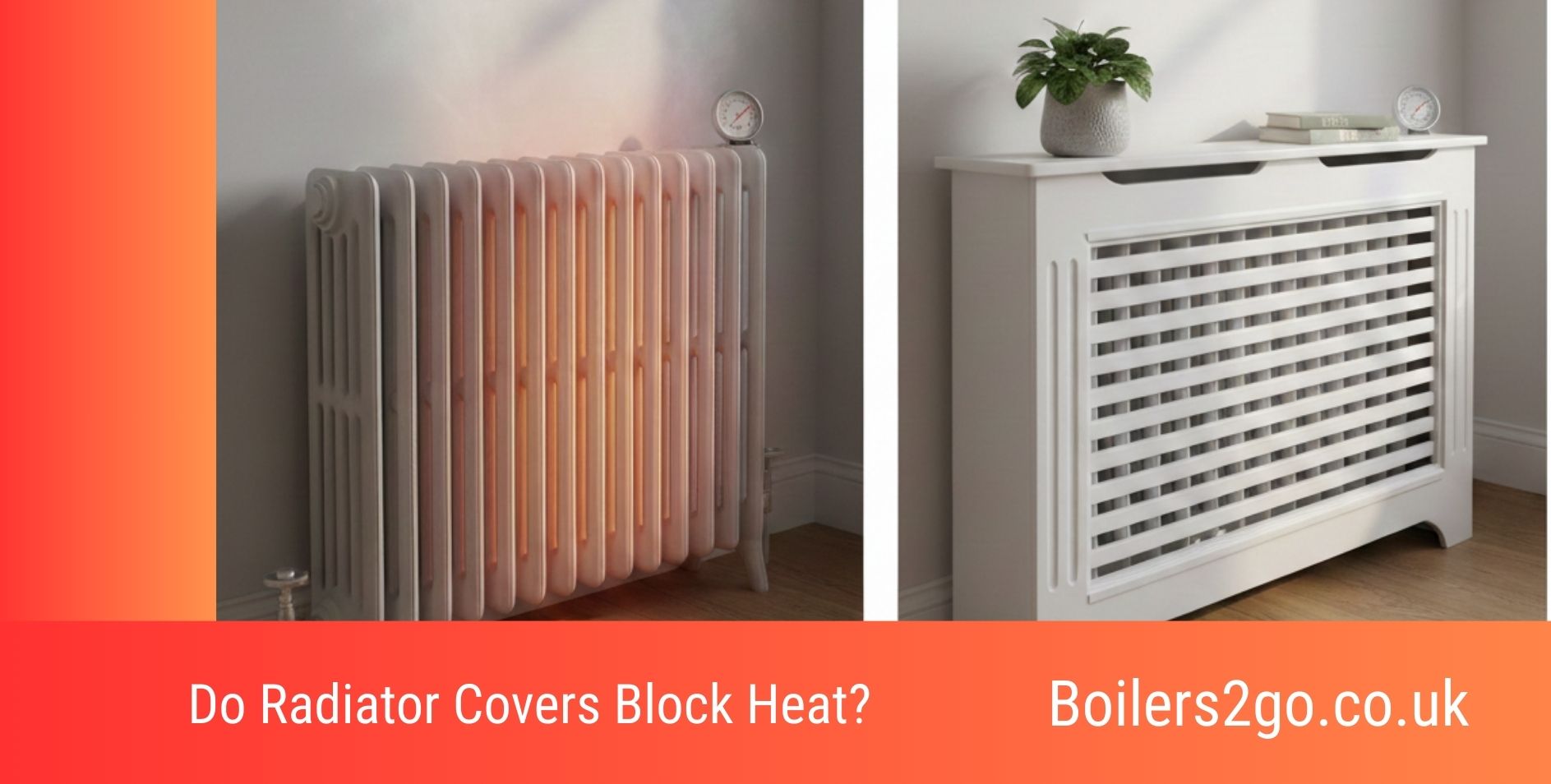
Radiator covers are everywhere in UK homes. They look tidy, keep little fingers safe, and make an ugly old radiator disappear.
But here’s the question that quietly worries people every winter:
Are radiator covers stealing heat and pushing up my energy bills?
The honest answer isn’t a simple yes or no.
Some covers do block a surprising amount of heat. Others barely make a difference. And a few can even help — if they’re designed properly.
Let’s break it down without the myths.
How Covering Your Radiator Affects The Air Flow
Radiators don’t just “glow” warmth into a room.
They work mainly through convection:
-
Hot water heats the radiator
-
Warm air rises from it
-
Cooler air is pulled in underneath
-
A loop forms that gradually warms the whole room
Anything that interrupts that airflow — especially at the top or bottom — interferes with how efficiently heat spreads.
That’s where radiator covers come in.
Do radiator covers block heat?
Yes — some of them absolutely do.
But it depends on three things: design, airflow, and clearance.
Poorly designed covers
Solid wooden cabinets with small cut-outs or tight internal space can trap heat inside the cover itself. The radiator gets hot… but the room doesn’t.
In these cases:
-
Warm air can’t rise properly
-
Heat builds up inside the cabinet
-
The boiler runs longer trying to compensate
Some heating tests and installer reports suggest badly designed covers can reduce usable heat output by up to 30–40%. That’s not subtle — that’s a cold room and a higher bill.
Well-designed covers
Covers with:
-
Large top vents
-
Open or slatted fronts
-
Plenty of space around the radiator
…allow air to circulate more naturally. These still reduce output slightly, but often by a much smaller, barely noticeable amount in real homes.
Why people use radiator covers anyway (and it makes sense)
Despite the heat debate, covers exist for good reasons.
Safety
Radiators can get very hot. Covers help protect:
-
Toddlers
-
Pets
-
Elderly or vulnerable adults
In busy hallways and living rooms, this is a genuine benefit.
Aesthetics
Older panel radiators aren’t exactly design features. Covers can:
-
Hide bulky units
-
Match furniture
-
Make rooms feel calmer and more “finished”
Extra surface space
In smaller UK homes, radiator covers often double as:
-
Shelves
-
Display surfaces
-
Console tables
Used thoughtfully, they can reclaim otherwise awkward space.
Where radiator covers quietly cause problems
Even decent covers can create issues if they’re not fitted or used carefully.
Reduced room temperature
If heat gets trapped, the thermostat senses a cooler room and keeps the boiler running longer.
Higher energy bills
You turn the heating up, not realising the cover is the bottleneck.
TRVs being fooled
If a thermostatic radiator valve sits inside the cover, it reads the trapped hot air and shuts the radiator off early — while the room itself stays chilly.
Dust and moisture build-up
Tightly enclosed covers can collect dust and moisture, which isn’t great for airflow or hygiene over time.
How to choose a radiator cover that doesn’t sabotage your heating
If you want a cover and decent efficiency, these rules matter more than the material or colour.
Give the radiator room to breathe
As a rough guide:
-
At least 20 mm deeper than the radiator
-
30 mm taller
-
40 mm wider
More space = better airflow.
Prioritise airflow, not insulation
Look for:
-
Large top openings
-
Slatted or open fronts
-
Gaps at the bottom for cool air intake
Avoid fully sealed boxes.
Use reflective backing (carefully)
A thin reflective panel behind the radiator can help bounce heat back into the room.
Avoid thick insulation inside the cover — that traps heat where you don’t want it.
Keep the TRV in open air
The valve must “feel” the room temperature, not the hot pocket inside the cabinet. If the TRV is enclosed, the radiator will underperform no matter what.
When radiator covers are a bad idea
Covers tend to cause the most trouble:
-
In small rooms where airflow is already limited
-
On older or undersized radiators that struggle anyway
-
With low-temperature systems like heat pumps, which rely heavily on free airflow
In these cases, even a good cover can noticeably reduce comfort.
The balanced reality for UK homes
Radiator covers aren’t automatically bad — but they’re never completely neutral.
-
Well-ventilated covers → small efficiency loss, good safety and looks
-
Solid, enclosed covers → colder rooms, longer boiler run times, higher bills
If your priority is maximum heat and efficiency, leaving the radiator exposed usually wins.
If you want safety and style, choose a cover designed around airflow — not furniture aesthetics alone.
The biggest mistake isn’t using a radiator cover.
It’s using the wrong one and wondering why the room never quite warms up.</pThe biggest mistake isn’t using a radiator cover.
It’s using the wrong one and wondering why the room never quite warms up.ut here’s the question that quietly worries people every winter: Many homeowners find themselves facing common heating issues and solutions when they realize their radiator covers are not helping. Understanding these problems can lead to effective fixes that ensure your space remains comfortable. Regular maintenance and proper installation are essential in preventing these frustrating heating challenges.
Are radiator covers stealing heat and pushing up my energy bills?
The honest answer isn’t a simple yes or no.
Some covers do block a surprising amount of heat. Others barely make a difference. And a few can even help — if they’re designed properly.
Let’s break it down without the myths.
How Covering Your Radiator Affects The Air Flow
Radiators don’t just “glow” warmth into a room.
They work mainly through convection:
-
Hot water heats the radiator
-
Warm air rises from it
-
Cooler air is pulled in underneath
-
A loop forms that gradually warms the whole room
Anything that interrupts that airflow — especially at the top or bottom — interferes with how efficiently heat spreads.
That’s where radiator covers come in.
Do radiator covers block heat?
Yes — some of them absolutely do.
But it depends on three things: design, airflow, and clearance.
Poorly designed covers
Solid wooden cabinets with small cut-outs or tight internal space can trap heat inside the cover itself. The radiator gets hot… but the room doesn’t.
In these cases:
-
Warm air can’t rise properly
-
Heat builds up inside the cabinet
-
The boiler runs longer trying to compensate
Some heating tests and installer reports suggest badly designed covers can reduce usable heat output by up to 30–40%. That’s not subtle — that’s a cold room and a higher bill.
Well-designed covers
Covers with:
-
Large top vents
-
Open or slatted fronts
-
Plenty of space around the radiator
…allow air to circulate more naturally. These still reduce output slightly, but often by a much smaller, barely noticeable amount in real homes.
Why people use radiator covers anyway (and it makes sense)
Despite the heat debate, covers exist for good reasons.
Safety
Radiators can get very hot. Covers help protect:
-
Toddlers
-
Pets
-
Elderly or vulnerable adults
In busy hallways and living rooms, this is a genuine benefit.
Aesthetics
Older panel radiators aren’t exactly design features. Covers can:
-
Hide bulky units
-
Match furniture
-
Make rooms feel calmer and more “finished”
Extra surface space
In smaller UK homes, radiator covers often double as:
-
Shelves
-
Display surfaces
-
Console tables
Used thoughtfully, they can reclaim otherwise awkward space.
Where radiator covers quietly cause problems
Even decent covers can create issues if they’re not fitted or used carefully.
Reduced room temperature
If heat gets trapped, the thermostat senses a cooler room and keeps the boiler running longer.
Higher energy bills
You turn the heating up, not realising the cover is the bottleneck.
TRVs being fooled
If a thermostatic radiator valve sits inside the cover, it reads the trapped hot air and shuts the radiator off early — while the room itself stays chilly.
Dust and moisture build-up
Tightly enclosed covers can collect dust and moisture, which isn’t great for airflow or hygiene over time.
How to choose a radiator cover that doesn’t sabotage your heating
If you want a cover and decent efficiency, these rules matter more than the material or colour.
Give the radiator room to breathe
As a rough guide:
-
At least 20 mm deeper than the radiator
-
30 mm taller
-
40 mm wider
More space = better airflow.
Prioritise airflow, not insulation
Look for:
-
Large top openings
-
Slatted or open fronts
-
Gaps at the bottom for cool air intake
Avoid fully sealed boxes.
Use reflective backing (carefully)
A thin reflective panel behind the radiator can help bounce heat back into the room.
Avoid thick insulation inside the cover — that traps heat where you don’t want it.
Keep the TRV in open air
The valve must “feel” the room temperature, not the hot pocket inside the cabinet. If the TRV is enclosed, the radiator will underperform no matter what.
When radiator covers are a bad idea
Covers tend to cause the most trouble:
-
In small rooms where airflow is already limited
-
On older or undersized radiators that struggle anyway
-
With low-temperature systems like heat pumps, which rely heavily on free airflow
In these cases, even a good cover can noticeably reduce comfort.
The balanced reality for UK homes
Radiator covers aren’t automatically bad — but they’re never completely neutral.
-
Well-ventilated covers → small efficiency loss, good safety and looks
-
Solid, enclosed covers → colder rooms, longer boiler run times, higher bills
If your priority is maximum heat and efficiency, leaving the radiator exposed usually wins.
If you want safety and style, choose a cover designed around airflow — not furniture aesthetics alone.
The biggest mistake isn’t using a radiator cover.
It’s using the wrong one and wondering why the room never quite warms up.

With years of experience in boilers and home improvements in general, Myles Robinson is a passionate advocate for making home heating simpler, safer, and more affordable for households across the UK. With years of experience in the heating industry, Myles combines hands-on knowledge with a focus on customer-first service, helping homeowners choose the right boiler, understand their systems, and keep their heating running efficiently all year round. His articles break down complex topics into clear, practical advice you can trust.