

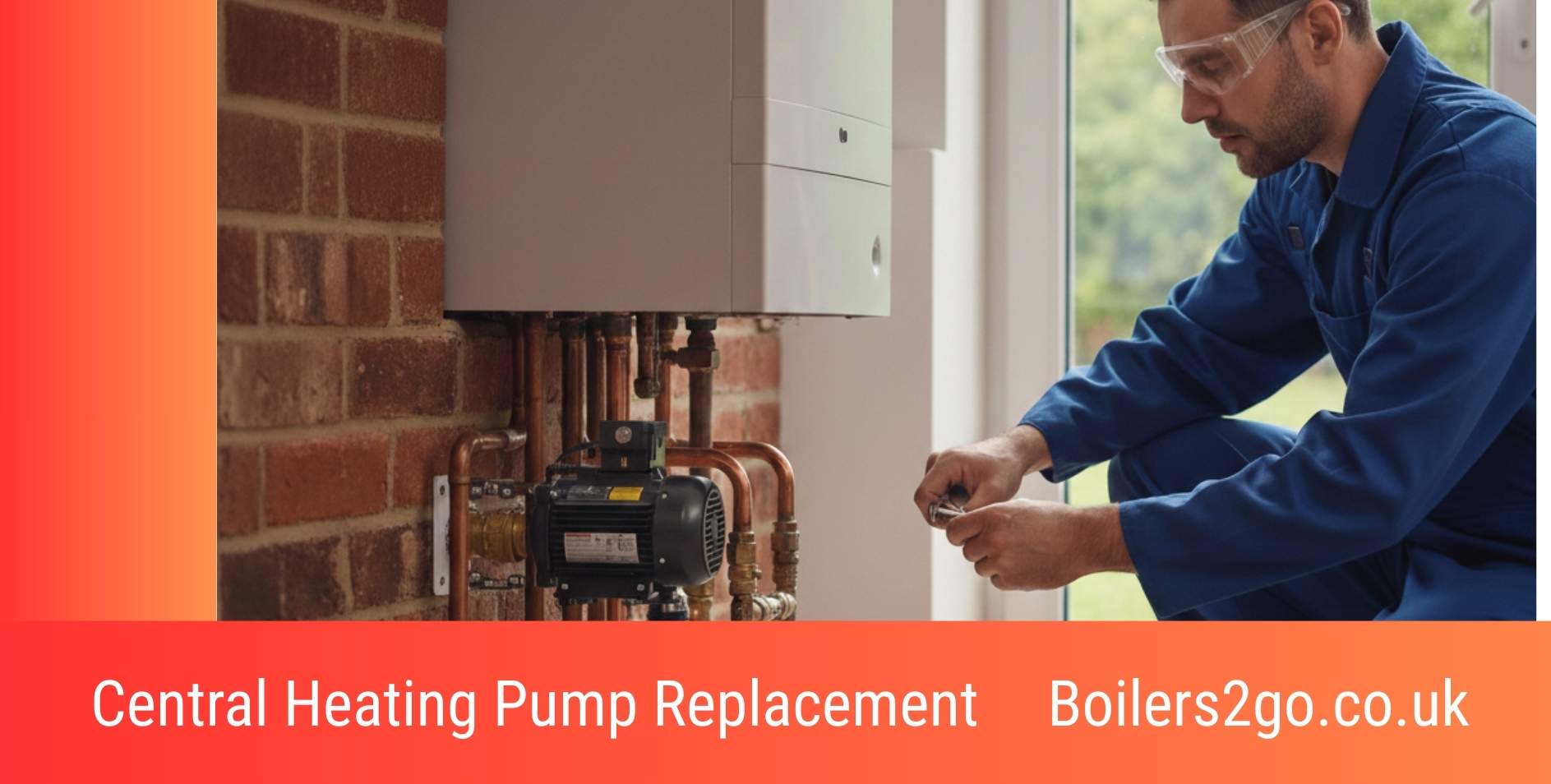
If you’re facing issues with your central heating pump, this in-depth guide will equip you with all the essential knowledge to tackle the problem effectively. From identifying early warning signs to understanding installation options and associated expenses, we’ll break down the process in simple terms to help maintain your home’s warmth and efficiency without unnecessary complications. When considering central heating installation costs in the UK, it’s important to factor in both the price of equipment and labor. Many homeowners find that investing in a high-quality system can lead to significant savings on energy bills over time. Additionally, understanding available grants and incentives can help offset these initial expenses, making the transition to efficient heating more accessible.
What Are the Signs of a Faulty Central Heating Pump?
Signs of a faulty central heating pump typically include no hot water or uneven radiator heating, where some panels stay cold despite the boiler firing up. When troubleshooting these issues, consider exploring noisy central heating pump solutions that can help reduce troubling sounds while improving efficiency. Additionally, inspecting the pump’s components for wear and tear can lead you to effective remedies for ensuring consistent heating throughout your home. Regular maintenance and the right upgrades can make a significant difference in your heating system’s performance.
Unusual noises like grinding or humming, leaks around the unit, or the pump casing becoming excessively hot are clear indicators, often accompanied by boiler lockouts or reduced system pressure that signal immediate attention is required.
If your pump issues are part of broader system inefficiencies, considering a full upgrade could be worthwhile. Boilers 2 Go provides personalised new boiler quotes to help you achieve long-term reliability and lower energy costs. When comparing heat pump efficiency versus gas boilers, it’s essential to assess not just the upfront costs but also the long-term savings on energy bills. A heat pump may offer a more sustainable solution, particularly in regions where electricity sources are increasingly renewable. Additionally, understanding the environmental impact and the reliability of each option will guide your decision for an upgraded system.
How Much Does Central Heating Pump Replacement Cost in the UK?
Central heating pump replacement cost in the UK generally falls between £200 and £500, covering the price of a new unit and professional labour for a standard domestic installation. When considering cost factors for hot water tank removal, homeowners should also account for additional expenses such as disposal fees and any necessary plumbing modifications. These factors can significantly impact the overall budget, making it essential to obtain detailed quotes from multiple service providers. By planning ahead and understanding these costs, you can ensure a smoother transition to your new hot water system. Additionally, it’s important to keep in mind that central heating expenses in the UK can vary depending on factors such as the size of the property and the efficiency of the existing system. Seasonal fluctuations in energy prices may also impact ongoing costs, so homeowners should regularly review their energy usage to identify potential savings. Exploring different heating options and scheduling maintenance can help mitigate some of these expenses in the long run.
Factors like the pump model—ranging from basic £100 options to premium energy-efficient versions at £300—plus any additional pipework adjustments or sludge removal can influence the final bill, with VAT included for most households.
Can I Replace My Central Heating Pump Myself?
You can replace your central heating pump yourself if you have basic DIY skills and tools, but it’s crucial to prioritise safety by isolating electricity and water supplies first. However, for those without plumbing experience, hiring a qualified engineer is advisable to avoid risks like water damage or improper fitting that could void warranties on your heating setup.
What Steps Are Involved in Replacing a Central Heating Pump?
Steps involved in replacing a central heating pump start with switching off the power and closing isolation valves on either side to prevent water flow.
Drain residual water from the unit, disconnect electrical wiring, and remove the old pump by loosening bolts—then fit the new one, reconnect everything, and test for leaks while bleeding air from radiators to restore full circulation.
What to Consider When Choosing a New Central Heating Pump?
When choosing a new central heating pump, consider compatibility with your existing boiler type and system size to ensure optimal flow rates and head heights match your property’s demands.
Energy efficiency ratings, such as A-rated variable-speed models from brands like Grundfos or Wilo, can reduce running costs, while features like auto-adapt technology and quiet operation are ideal for modern UK homes aiming for sustainability.
Ready to Upgrade? Get a New Boiler Quote from Boilers 2 Go
If recurring pump problems hint at deeper issues in your heating system, why not explore a comprehensive upgrade? Boilers 2 Go specialises in efficient, reliable boiler installations for UK properties, offering competitive quotes that factor in grants and energy-saving incentives. Contact us today for a no-obligation assessment tailored to homeowners and landlords, ensuring warmer homes with fewer repairs and lower bills.
FAQs
How Long Does a Typical Central Heating Pump Last?
A typical central heating pump lasts around 10 to 15 years with regular servicing, though factors like water quality and usage intensity can shorten or extend its lifespan in UK installations.
What Is the Difference Between Fixed-Speed and Variable-Speed Central Heating Pumps?
The difference between fixed-speed and variable-speed central heating pumps lies in their operation: fixed-speed models run at a constant rate, while variable-speed ones adjust automatically to demand, offering better energy savings and adaptability for varying household needs.
Can a Faulty Central Heating Pump Increase My Energy Bills?
Yes, a faulty central heating pump can increase your energy bills by forcing the boiler to work harder to compensate for poor circulation, leading to higher consumption without effective heat distribution.
Are There Any Government Incentives for Upgrading to Energy-Efficient Central Heating Pumps?
Government incentives like the Boiler Upgrade Scheme may indirectly support upgrades to energy-efficient central heating pumps when part of a broader system improvement, though eligibility focuses on low-carbon technologies for qualifying UK properties.
How Does Hard Water Affect Central Heating Pump Performance?
Hard water affects central heating pump performance by causing limescale buildup on internal components, which can lead to reduced efficiency, blockages, and premature failure in regions with mineral-rich supplies.

I’m Penny North, a home energy heating expert. My mission is to demystify new boilers and complex heating systems to help you achieve a warm, cosy home with lower energy bills and a smaller environmental footprint.