

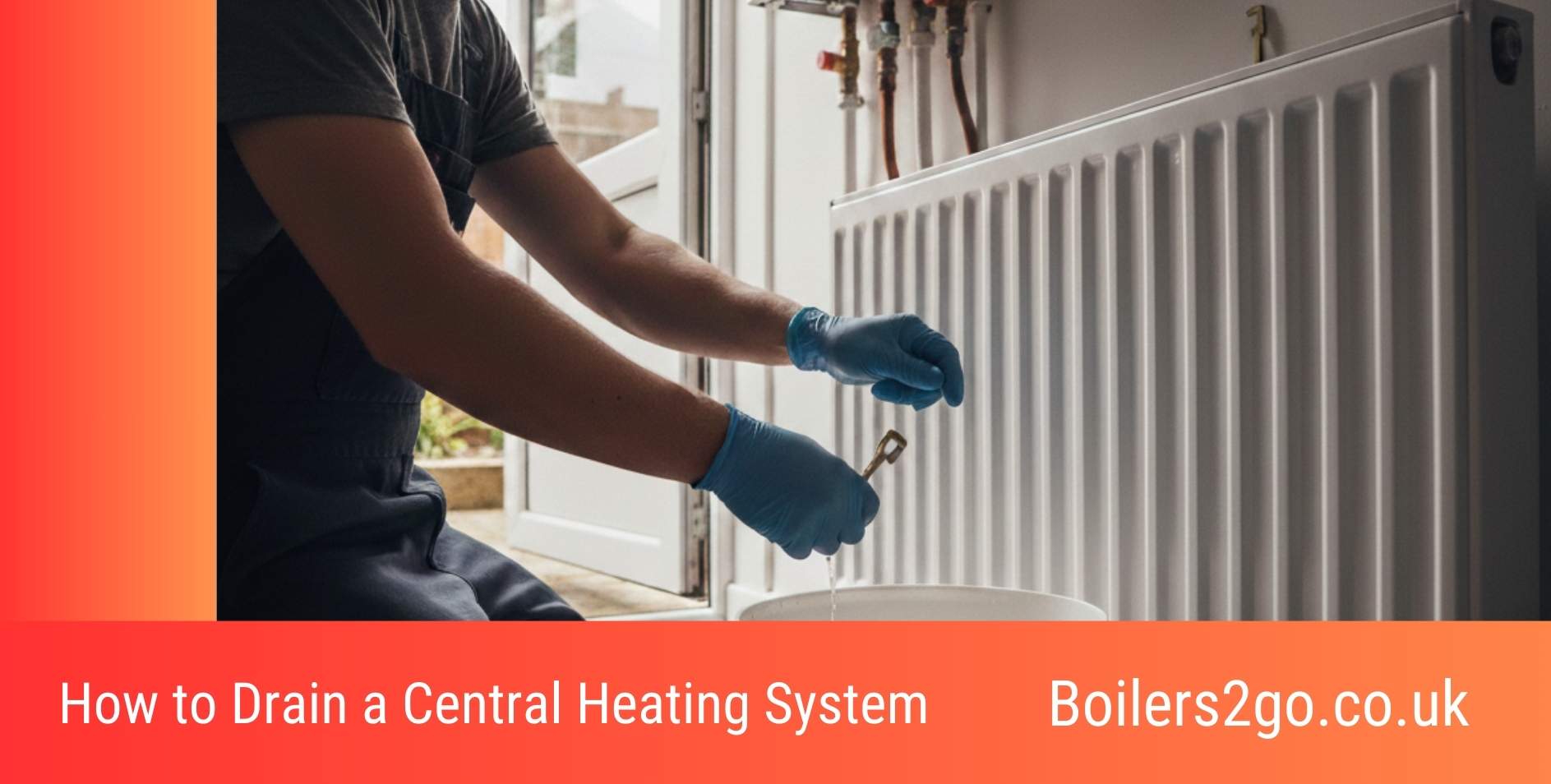
This straightforward guide walks you through how to drain a central heating system safely and efficiently. Draining is a common maintenance task that removes sludge, air and old water to improve system performance and prepare for repairs or upgrades. To ensure optimal performance after draining, it is also important to consider central heating sludge removal techniques. These techniques help eliminate build-up that can hinder efficiency and lead to costly repairs. Regular maintenance, including sludge removal, can extend the lifespan of your central heating system and enhance overall comfort in your home. A gas central heating system overview will outline the key components and functions that contribute to a well-maintained heating environment. Understanding how the system operates can help homeowners identify potential issues before they become significant problems. Additionally, familiarizing yourself with the specific requirements of your system can lead to more effective maintenance practices and improved energy efficiency.
What Tools and Equipment Do You Need to Drain a Central Heating System?
Tools and equipment you need to drain a central heating system include a drain hose long enough to reach an outside drain or sink, an adjustable spanner or radiator key, a bucket or towels for minor spills, and protective gloves. A magnetic filter or chemical cleaner is useful if you plan to flush the system thoroughly after draining. Incorporating a magnetic filter benefits for heating systems by capturing debris and sludge that can accumulate over time, ensuring better efficiency and longevity of the system. Additionally, these filters require minimal maintenance, providing homeowners with a hassle-free solution to keep their heating systems running smoothly. By investing in this technology, you not only extend the life of your heating system but also improve energy efficiency, leading to potential cost savings on energy bills.
How Do You Prepare Before Draining a Central Heating System?
You prepare before draining a central heating system by turning off the boiler at the isolation switch and allowing it to cool completely for safety. Close the filling loop valves, shut off the mains water supply to the system, and ensure all radiators are turned on to help release trapped air during the process.
How to Drain a Central Heating System: Step by Step
Draining a central heating system step by step follows a logical sequence that minimises mess and ensures the system empties fully. Follow these numbered steps carefully: Understanding the cost factors for central heating systems is crucial for making an informed decision about installation and maintenance. Different brands and models come with varying price points that can significantly influence your overall energy expenses. It’s essential to evaluate not just the initial investment but also the long-term savings associated with energy efficiency.
Step 1. Switch Off the Boiler and Heating
Turn off the boiler at the electrical isolation switch and set all heating controls to off. Allow at least 30–60 minutes for the system to cool to avoid scalding from hot water. Before restarting the system, it’s essential to check the boiler efficiency settings for heating to ensure optimal performance. Adjust any necessary parameters based on the manufacturer’s guidelines to maximize energy savings and heating effectiveness. Additionally, inspecting the heating radiators for any air pockets will help maintain consistent warmth throughout your space.
Step 2. Close the Filling Loop and Mains Valve
Locate the filling loop (usually under the boiler) and close both valves to isolate the system from the mains water supply. This prevents new water from entering while you drain.
Step 3. Locate the Main Drain Cock
Find the lowest drain cock, typically near the boiler on the return pipe or at the base of the lowest radiator. Attach a garden hose securely to the drain cock and run the other end to an outside drain or suitable waste point.
Step 4. Open All Radiator Bleed Valves
Starting from the top floor and working downwards, use a radiator key to open the bleed valves on every radiator. This allows air to enter the system and speeds up the draining process.
Step 5. Open the Main Drain Cock
Slowly open the drain cock using an adjustable spanner. Water will begin to flow out through the hose. Stay nearby to monitor the flow and catch any leaks.
Step 6. Monitor the Flow and Assist Drainage
As water drains, gently squeeze radiator panels to help release trapped water. Continue until the flow slows to a trickle, indicating most of the system has emptied.
Step 7. Flush the System (Optional but Recommended)
If removing sludge, briefly open the filling loop to introduce fresh water while the drain cock remains open. This helps flush out debris before closing everything.
Step 8. Close the Drain Cock and Bleed Valves
Once drainage is complete, close the main drain cock firmly and shut all radiator bleed valves to prepare for refilling.
What Should You Do After Draining a Central Heating System?
After draining a central heating system, refill it slowly through the filling loop while monitoring the pressure gauge until it reaches 1–1.5 bar when cold. Add a suitable central heating inhibitor, bleed all radiators to remove air, and restart the boiler to check for leaks and proper circulation.
Ready to Upgrade Your Heating System? Get a New Boiler Quote from Boilers 2 Go
Frequent draining or ongoing sludge problems often point to an ageing boiler that struggles to maintain efficiency. Upgrading to a new A-rated condensing boiler can dramatically reduce maintenance needs and lower energy bills. Boilers 2 Go specialises in tailored installations for UK homes and rental properties. Request a free, no-obligation quote today to explore the latest models, available grants, and professional fitting options.
FAQs
How long does it typically take to drain a central heating system?
A standard three- or four-bedroom house usually takes 1–2 hours to drain fully, though larger properties or systems with underfloor heating can take longer.
Can I drain only part of a central heating system?
Partial draining is possible by isolating sections with valves, but it requires careful planning and is best left to experienced professionals to avoid air locks.
Does draining a central heating system remove all the sludge?
Draining alone removes a large portion of water and loose debris, but a full powerflush is usually needed to clear heavy magnetite sludge effectively.
Is it safe for landlords to drain systems in rental properties themselves?
Landlords can drain systems themselves if competent, but they must ensure the work is done safely and the system is properly refilled and tested to meet legal safety standards.
Will draining void my boiler warranty?
Draining the system will not void your boiler warranty when performed correctly, but always use a suitable inhibitor when refilling and keep records of the work.

I’m Penny North, a home energy heating expert. My mission is to demystify new boilers and complex heating systems to help you achieve a warm, cosy home with lower energy bills and a smaller environmental footprint.