

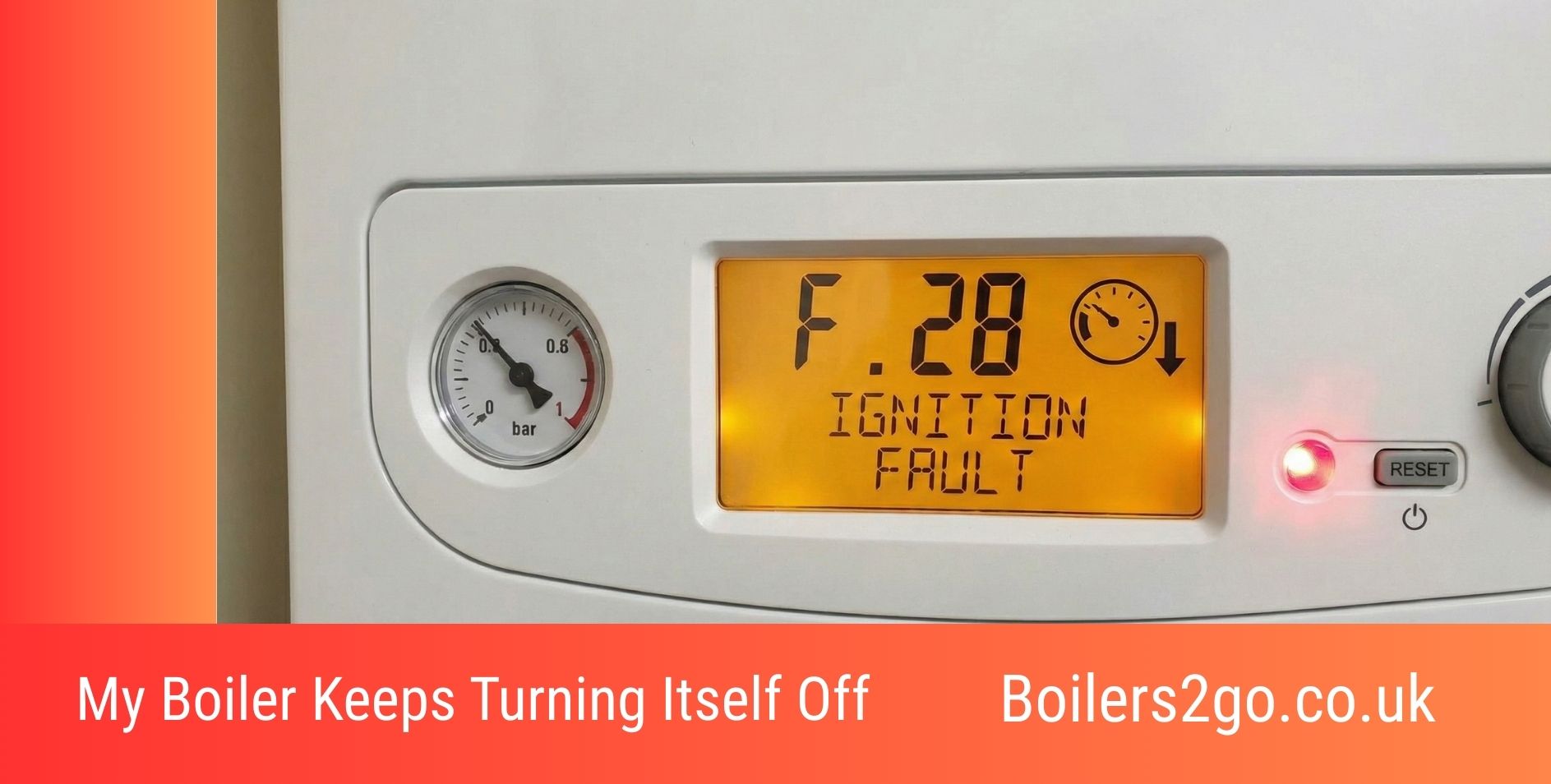
If you’re wondering why your boiler keeps turning itself off, you’re not alone – this is a common issue for many UK homeowners and landlords, often leading to cold homes and unexpected repair bills. In this guide, I’ll explain the potential causes behind this frustrating problem and provide straightforward fixes to help you get your heating system back on track.
What Is Boiler Shutdown?
Boiler shutdown refers to the situation where your central heating boiler unexpectedly turns off, interrupting hot water supply and home heating. This automatic safety feature is designed to prevent damage or hazards, but when it happens repeatedly, it can signal underlying issues in your boiler system.
What Causes Boiler Shutdown?
Boiler shutdown can stem from various factors, ranging from simple maintenance oversights to more complex mechanical faults. Below, we detail the most common causes, explaining each one in depth for clarity.
Low Water Pressure
Low water pressure in your boiler system occurs when the pressure gauge drops below the recommended level, typically around 1-1.5 bar for most UK combi boilers like those from Worcester Bosch or Vaillant. This can happen due to leaks in pipes, radiators, or even the boiler itself, or from bleeding radiators without repressurising the system afterwards.
How to Fix Low Water Pressure
- To fix low water pressure, first check your boiler’s pressure gauge – if it’s below 1 bar, you’ll need to repressurise the system.
- Locate the filling loop (usually a flexible hose with valves underneath the boiler), open both valves slowly to let water in until the gauge reaches 1.5 bar, then close them securely.
- If pressure drops again quickly, inspect for visible leaks around radiators or pipes and tighten any loose fittings; persistent issues may indicate a hidden leak requiring professional attention.
Overheating Boiler
An overheating boiler happens when the internal temperature rises too high, triggering a safety thermostat to shut down the unit to avoid damage or risks like scalding water. This is often linked to poor water circulation, such as sludge buildup in the system or a faulty pump.
How to Fix An Overheating Boiler
- To address an overheating boiler, start by checking if your radiators are heating unevenly, which might point to sludge – in this case, perform a power flush using a professional service or chemical cleaner if you’re confident.
- If the pump is the culprit (listen for unusual noises), reset the boiler first; if it persists, replace the pump, but always ensure the system is isolated and drained before attempting this, or call in a Gas Safe engineer for safety.
Faulty Thermostat
A faulty thermostat in your boiler setup fails to accurately read or control the temperature, causing the boiler to cycle on and off erratically. This could be due to worn-out batteries in a wireless model, incorrect placement near draughts, or internal wiring issues in older systems.
How to Fix a Faulty Thermostat
Fixing a faulty thermostat begins with simple checks:
- Replace batteries if it’s wireless, or relocate it away from windows or heat sources to ensure accurate readings.
- For wired models, test continuity with a multimeter after turning off power; if faulty, upgrade to a smart thermostat like Hive or Nest for better control, ensuring compatibility with your boiler model such as Baxi or Ideal.
Blocked Condensate Pipe
A blocked condensate pipe occurs in condensing boilers when acidic wastewater freezes or gets clogged with debris, preventing drainage and forcing the boiler to shut down as a safety measure. This is especially common in UK winters when external pipes are exposed to freezing temperatures.
How to Fix a Blocked Condensate Pipe
- To fix a blocked condensate pipe, thaw it gently using warm (not boiling) water poured over the external section, or use a hairdryer on low heat to avoid cracking the pipe.
- If the blockage is internal due to sludge, flush the system or use a condensate trap cleaner, but avoid DIY if you’re unsure about accessing the pipe safely.
For prevention, insulate the pipe with foam lagging.
Airlocks in the System
Airlocks in the system refer to trapped air bubbles in pipes or radiators that disrupt water flow, leading to inefficient heating and boiler shutdowns. This often arises after draining the system for maintenance or from small leaks allowing air ingress.
How to Fix Airlocks in the System
Fixing airlocks involves bleeding your radiators
- Turn off the heating, start with the lowest radiator, insert a bleed key into the valve, and release air until water drips out, then tighten.
- Repressurise the boiler afterwards; if air persists, check for leaks and seal them with PTFE tape on joints, ensuring the expansion tank isn’t overfilled.
Faulty Pump
A faulty pump in your boiler fails to circulate water effectively, causing pressure imbalances and automatic shutdowns. Signs include grinding noises or no hot water despite the boiler firing up briefly.
How to Fix a Faulty Pump
- To fix a faulty pump, first try resetting the boiler to clear any temporary glitches.
- If noises persist, isolate the electricity and water supply, then vent the pump by loosening the central screw to release air.
- For seized pumps, a light tap with a soft mallet might free it temporarily, but replacement is often needed – source a compatible part for models like Alpha or Glow-worm and install it carefully, or hire a professional.
Ignition Problems
Ignition problems arise when the boiler’s pilot light or electronic ignition system fails to light the burner consistently, often due to dirty electrodes, gas supply issues, or faulty printed circuit boards (PCBs).
How to Fix Ignition Problems
- Fixing ignition problems starts with checking the gas supply – ensure your meter has credit and valves are open.
- Clean electrodes gently with a soft cloth if accessible; for PCB faults, diagnostics via error codes (e.g., F28 on Vaillant) may require part replacement, but always prioritise safety by not tampering with gas components yourself.
How to Prevent Boiler Shutdown in the Future
Preventing boiler shutdown involves regular maintenance to keep your home heating system reliable. Schedule an annual service by a Gas Safe registered engineer to check for early signs of issues like pressure drops or blockages.
Bleed radiators monthly during winter, monitor water pressure weekly, and insulate external pipes to avoid freezing.
Additionally, install a magnetic filter to catch sludge and consider a boiler cover plan for UK homeowners or landlords to cover unexpected repairs, ensuring your combi or system boiler operates efficiently year-round.
When You Absolutely MUST Call a Gas Safe Engineer
You absolutely must call a Gas Safe engineer if you suspect gas leaks (smell of rotten eggs), notice carbon monoxide alarm activations, or if DIY fixes don’t resolve the shutdown after one attempt.
Persistent error codes, unusual noises, or visible damage to components like the heat exchanger also warrant professional intervention to comply with UK safety regulations and prevent hazards in your property.
FAQs
Is It Safe to Keep Resetting My Boiler When It Turns Off?
Resetting your boiler occasionally is safe for minor glitches, but frequent resets can mask serious issues like electrical faults, potentially leading to bigger problems – always investigate the root cause after a couple of resets.
Can Weather Conditions Affect My Boiler Turning Off?
Yes, extreme UK weather like heavy rain or high winds can impact external flues or vents, causing shutdowns by disrupting air intake – ensure flues are clear and consider weatherproof covers for vulnerable installations.
Does Boiler Age Contribute to Frequent Shutdowns?
Older boilers, typically over 10-15 years, are more prone to shutdowns due to worn parts and inefficiency – upgrading to an A-rated model can reduce occurrences and lower energy bills for landlords managing multiple properties.
How Does Hard Water Impact Boiler Performance?
Hard water in areas like the South East UK builds up limescale, restricting flow and triggering shutdowns – installing a water softener or descaler can mitigate this, extending your boiler’s lifespan.
What Role Do Smart Controls Play in Preventing Shutdowns?
Smart controls monitor usage patterns and alert you to anomalies like sudden pressure changes, helping prevent shutdowns by allowing remote adjustments and integrating with home automation for proactive maintenance.
Stay warm, The Boilers2Go Team

I’m Penny North, a home energy heating expert. My mission is to demystify new boilers and complex heating systems to help you achieve a warm, cosy home with lower energy bills and a smaller environmental footprint.