

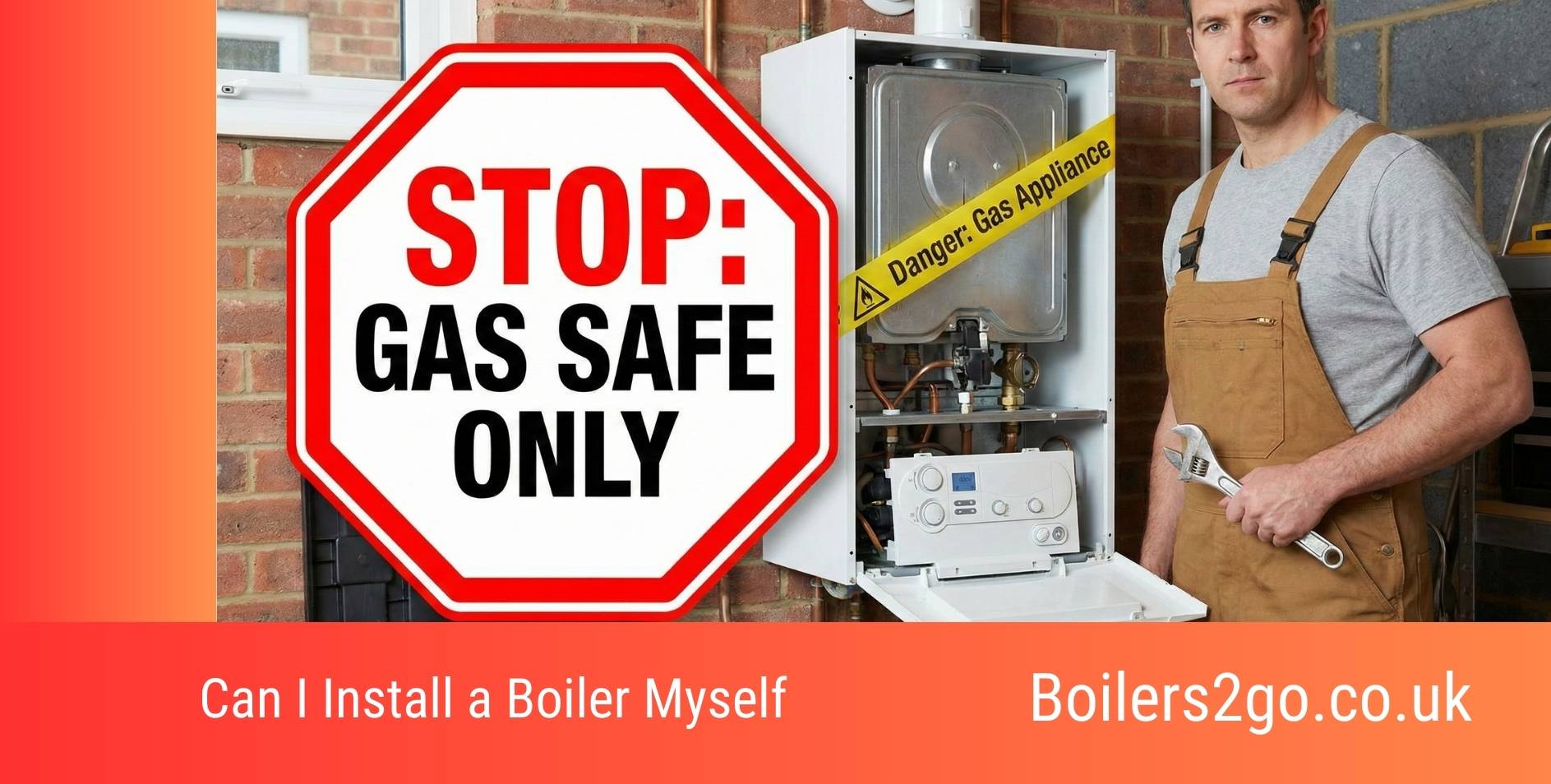
Thinking about installing a boiler yourself? In this guide, I’ll walk you through the legalities, potential dangers, and smarter alternatives for your home heating system. Whether managing a rental or upgrading your own property, understanding self-installation of heating appliances can prevent costly mistakes and ensure safety.
Is It Legal to Install a Boiler Yourself in the UK?
No, it is not legal to install a boiler yourself in the UK if it’s a gas-fired unit, as per the Gas Safety (Installation and Use) Regulations 1998, which remain in force in 2025.
In my years advising clients, I’ve stressed that only Gas Safe registered engineers can handle gas boiler fitting to avoid hazards like leaks. For electric boilers, it’s different—while not outright illegal, you must comply with Building Regulations Part P for electrical work, and it’s highly recommended to use a qualified electrician to certify the job.
Landlords, note that non-compliance can invalidate your gas safety certificate, risking tenant welfare and legal fines. With 2025 updates requiring new gas boilers to be hydrogen-ready, DIY attempts could also breach efficiency standards under Part L of building regs.
Key Regulatory Bodies and Compliance Checks
The Gas Safe Register oversees gas work, while NICEIC or similar bodies handle electrical certifications. Always check for notifications to your local authority for major installs, ensuring your central heating upgrade meets net-zero goals.
What Are the Risks of Installing a Boiler Yourself?
The risks of installing a boiler myself are substantial, ranging from gas explosions to carbon monoxide poisoning if connections falter. I’ve seen DIY mishaps lead to emergency evacuations in older UK homes, where improper flue placement allows deadly fumes to build up.
Electrical faults in self-fitted units can cause fires, especially in damp areas, voiding home insurance policies.
For landlords, these dangers extend to liability claims from tenants, potentially costing thousands in court. Even minor errors, like incorrect pressure settings, can reduce heating efficiency, spiking bills and shortening the appliance’s lifespan.
Health and Environmental Hazards to Consider
Beyond immediate safety, poor ventilation from amateur work contributes to mould growth, affecting indoor air quality. In 2025’s push for greener homes, non-compliant installs hinder carbon reduction targets, impacting property values.
What Skills and Qualifications Would I Need for a DIY Boiler Installation?
The skills and qualifications I would need for a DIY boiler installation include plumbing expertise, electrical knowledge, and gas engineering training—though for gas, you’d still need Gas Safe registration, making true DIY impossible.
From my viewpoint, having trained engineers, I know it involves understanding pipe soldering, pressure testing, and flue gas analysis, skills honed through ACS assessments.
For electric variants, Part P competency is key for safe wiring. Homeowners might underestimate the precision required, leading to inefficiencies in their heating network.
Essential Tools and Safety Gear
You’d require torque wrenches, multimeters, and gas analysers, plus PPE like gloves and masks. But without professional calibration, these tools won’t guarantee a safe combi boiler setup.
Why Should I Hire a Professional for Boiler Installation Instead?
You should hire a professional for boiler installation instead because they ensure compliance, safety, and optimal performance, backed by warranties. In my chats with clients, I often highlight how Gas Safe pros spot issues like incompatible pipework early, saving on future repairs.
For landlords juggling multiple properties, this means reliable tenant heating without downtime.
Professionals also integrate smart controls for energy savings, aligning with 2025’s hydrogen-ready mandates. It’s not just about legality—it’s peace of mind.
Benefits for Efficiency and Longevity
Expert fitting maximises ErP ratings, reducing fuel use. I’ve advised on setups where pro installs extended boiler life by 5-10 years through proper commissioning.
What Are the Costs Involved in Professional Boiler Installation?
The costs involved in professional boiler installation typically range from £1,500 to £4,000, including the unit and labour, varying by type like system or combi. Drawing from industry trends in 2025, a basic gas combi might cost £2,000 fitted, while electric options are cheaper at £1,000-£2,500 due to no flue needs.
Homeowners in rural areas pay more for oil boiler setups, requiring OFTEC pros.
Factor in VAT reductions for energy-efficient upgrades, potentially lowering bills for landlords.
Hidden Expenses in DIY vs Pro Approaches
DIY might seem free but risks £500+ in fixes or fines. Pros offer fixed quotes, avoiding surprises in heating appliance replacement.
What Are the Pros and Cons of Attempting a DIY Boiler Installation?
The pros and cons of attempting a DIY boiler installation include potential cost savings as a pro, but that’s outweighed by legal and safety cons for gas units. I’ve shared stories where eager homeowners saved pennies upfront only to face hefty penalties.
Pros for electric? Personal satisfaction if competent, but cons like voided warranties loom large.
For landlords, the con of tenant disputes from faulty self-installs is a deal-breaker, while pros are negligible without qualifications.
Unique Perspectives on Homeowner Autonomy
In today’s eco-conscious UK, pros empower better integration with renewables, a perspective often missed in DIY enthusiasm.
Ready to Install a New Boiler? Get a Quote from Boilers 2 Go
If you’re ready to install a new boiler and realise DIY isn’t the way, why not get in touch with Boilers 2 Go for expert guidance? Request a free quote today—it’s straightforward, obligation-free, and ensures your heating system is safe, compliant, and cost-effective. Let’s keep your property warm without the worries!
FAQs
What if I’m already a qualified plumber—can I install a gas boiler without Gas Safe registration?
Even qualified plumbers must hold Gas Safe registration specifically for gas work; without it, installing a gas boiler remains illegal and could lead to professional sanctions.
How does the 2025 hydrogen-ready requirement affect my choice if considering self-installation?
The mandate for hydrogen-ready boilers in new installs adds complexity to any attempted DIY, as non-pros can’t ensure compatibility or register the unit properly for future fuel blends.
Can I partially install a boiler myself and have a pro finish it?
Partial DIY isn’t advisable, as pros may refuse to certify or complete work started unlawfully, leaving you with an unusable system and wasted effort.
What role do building control notifications play in boiler self-installation?
For any boiler install, you must notify building control; self-installers risk rejection if the work doesn’t meet standards, potentially requiring full removal and reinspection.
Are there online courses that could qualify me for DIY boiler installation?
While courses exist for plumbing basics, Gas Safe requires in-person assessments and apprenticeships—online alone won’t legally qualify you for gas boiler work in the UK.

I’m Penny North, a home energy heating expert. My mission is to demystify new boilers and complex heating systems to help you achieve a warm, cosy home with lower energy bills and a smaller environmental footprint.