

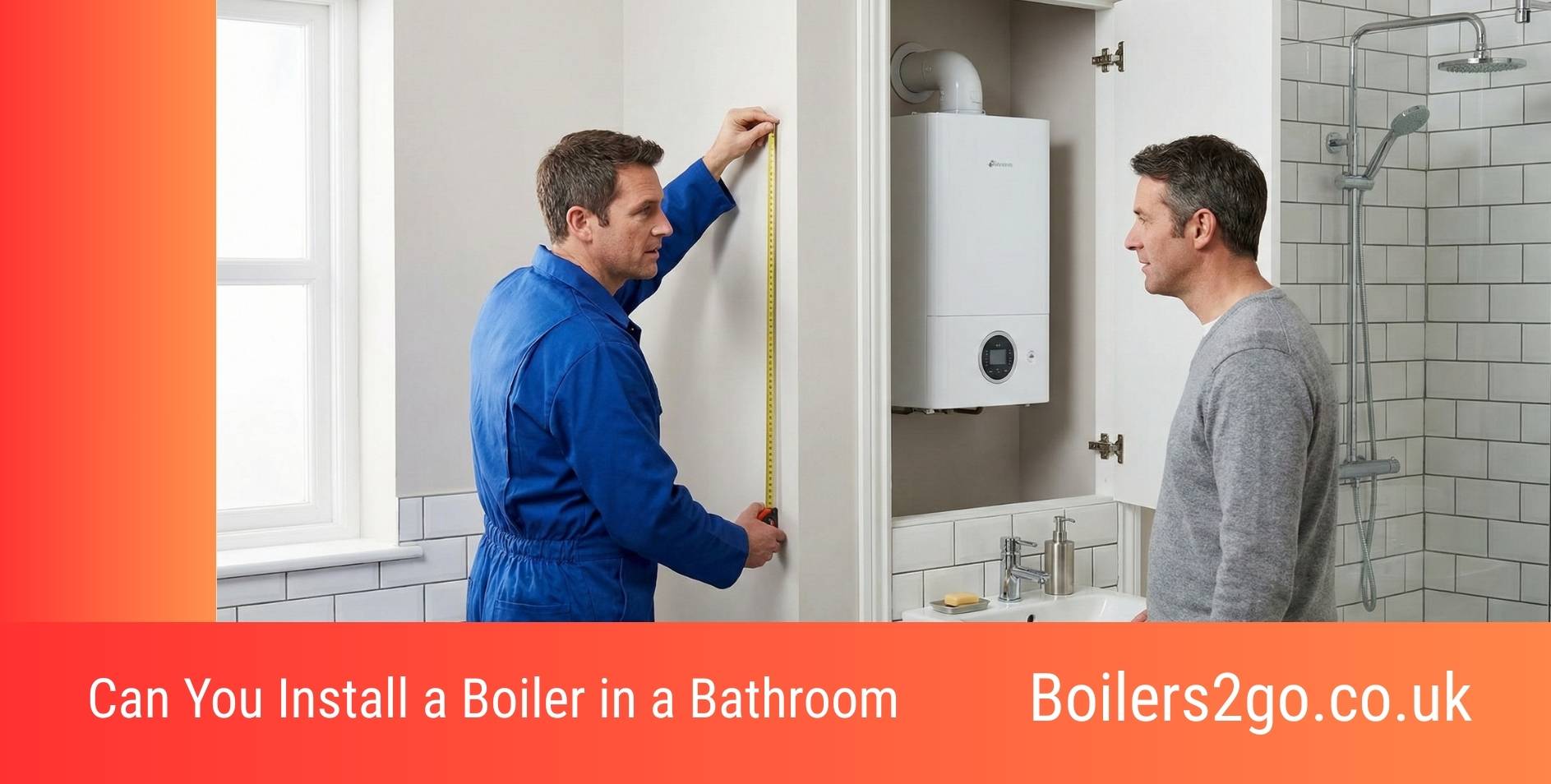
If you’re a UK homeowner or landlord pondering the question, “can you install a boiler in a bathroom,” I’ve got you covered. I’ll walk you through the feasibility, potential pitfalls, and practical advice in a way that’s easy to grasp.
Whether you’re renovating a compact flat or managing rental properties, understanding bathroom boiler fitting can save you time, money, and headaches. Let’s dive in.
Is It Possible to Install a Boiler in a Bathroom?
Yes, it is possible to install a boiler in a bathroom, but it’s not as straightforward as popping it anywhere you like. In my experience helping countless UK clients, the key is adhering to strict safety guidelines to prevent issues like water damage or electrical hazards.
For instance, combi boiler placement in wet areas demands careful planning, ensuring the unit is protected from moisture while maintaining accessibility for maintenance.
Under UK building regs, specifically the Gas Safety (Installation and Use) Regulations 1998, any gas appliance installation in a bathroom zone must be handled by a Gas Safe registered engineer.
This isn’t just bureaucracy—it’s about safeguarding your household from risks associated with central heating systems in humid environments. I’ve seen cases where improper setup led to costly fixes, so always prioritise compliance.
Understanding Bathroom Zones for Boiler Placement
Bathrooms are divided into zones based on proximity to water sources, like baths or showers. Zone 0 is inside the bath itself, Zone 1 extends up to 2.25m above it, and Zone 2 is 60cm around that.
Boilers can’t go in Zone 0 or 1 without special IP-rated enclosures, but Zone 2 is often feasible with proper shielding. This zoning helps mitigate electrocution risks in damp spaces.
What Are the Pros and Cons of Having a Boiler in the Bathroom?
The pros and cons of having a boiler in the bathroom include space-saving advantages on the plus side, as it frees up kitchen or loft areas in compact UK homes. I’ve helped many optimise layouts this way, especially in flats where every square metre counts. It can also mean quicker hot water access, boosting efficiency in ensuite setups.
On the downside, noise from the unit might disturb relaxation time, and maintenance access could be trickier in tight spaces. Humidity-related wear is a con too, potentially shortening the appliance’s lifespan compared to drier locations.
Weighing Benefits for Homeowners and Landlords
For owners, it’s about convenience; for landlords, it’s cost-effective upgrades that attract tenants. Balance these with unique perspectives like integrating smart thermostats for better control in moist environments.
What Are the Key UK Regulations for Bathroom Boiler Installation?
The key UK regulations for bathroom boiler installation revolve around safety standards set by bodies like the Gas Safe Register and Building Regulations Part J. From what I’ve observed in the field, these rules ensure that heating appliance fitting in washrooms doesn’t compromise ventilation or electrical integrity.
For example, the boiler must be room-sealed to prevent flue gases from mixing with bathroom air, a critical entity in preventing carbon monoxide buildup.
Additionally, the installation must include a fused spur for electrical isolation, and the unit should be at least 60cm away from baths or showers to avoid splash zones.
Landlords, take note: failing to meet these can void your gas safety certificate, impacting tenant safety and legal compliance. In my 30+ years, I’ve advised many on how these regs tie into overall home heating efficiency.
Compliance with Flue and Ventilation Requirements
Flues must terminate safely outside, away from windows or vents, as per Part J. Proper airflow is non-negotiable—I’ve installed systems where adding extractor fans resolved condensation issues, enhancing the longevity of the bathroom heating setup.
What Risks Come with Installing a Boiler in a Bathroom?
The risks that come with installing a boiler in a bathroom primarily stem from moisture exposure, which can lead to corrosion or electrical faults if not managed. I’ve encountered scenarios where unchecked humidity caused rust on heat exchangers, turning a simple combi boiler setup into an expensive repair job. Carbon monoxide poisoning is another hazard if ventilation isn’t spot-on, though modern sealed units minimise this.
Water ingress poses a big threat too—imagine steam from hot showers seeping into controls, potentially causing short circuits. For homeowners in older UK properties, this could exacerbate existing damp problems, affecting the entire central heating network. Always weigh these against benefits, and consult a pro to assess your space.
Mitigating Health and Safety Hazards
To counter these, I recommend annual servicing, which catches issues early. In rentals, landlords must ensure gas safety checks, as per the law, to protect occupants from unseen dangers like gas leaks in enclosed wet rooms.
Which Types of Boilers Are Best Suited for Bathroom Installation?
The types of boilers best suited for bathroom installation are typically compact combi models, as they don’t require separate hot water cylinders, making them ideal for space-constrained washrooms.
In my professional opinion, brands like Worcester Bosch or Vaillant combis shine here because they’re wall-mounted and efficient for on-demand heating. System boilers can work too, but they need more room for components, which isn’t always practical in a family bathroom.
Electric boilers are another option for non-gas homes, offering safer installation in moist areas without flue worries. However, for most UK setups, a gas combi provides the best balance of cost and performance in lavatory heating configurations.
Factors Influencing Boiler Type Choice
Consider your household’s hot water demand—if you have multiple bathrooms, a system boiler might handle higher usage better, even if installed in one. Energy efficiency ratings, like ErP labels, are key entities to check for long-term savings.
How Can You Ensure a Safe Boiler Installation in Your Bathroom?
You can ensure a safe boiler installation in your bathroom by hiring a certified Gas Safe engineer who knows the ins and outs of wet room regulations. I’ve always stressed to clients that DIY is a no-go—improper fitting risks invalidating warranties and endangering lives. Start with a site survey to check pipework and electrical compatibility.
Enclosing the unit in a cupboard is a top tip; it shields against splashes while keeping aesthetics tidy. Post-install, test for leaks and ventilation—I’ve seen peace of mind come from adding carbon monoxide detectors nearby.
Step-by-Step Preparation Tips
Clear the area, shut off utilities, and plan for minimal disruption. For landlords, document everything for compliance records, ensuring your property’s heating system upgrade meets tenancy standards.
Ready to Install a New Boiler? Get a Quote from Boilers 2 Go
If you’re ready to install a new boiler and think a bathroom location might work for your setup, why not reach out for expert advice? At Boilers 2 Go, we specialise in seamless installations tailored to UK homes and rentals.
Request a free, no-obligation quote today—our Gas Safe team can assess feasibility, ensure full regulatory compliance, and handle everything from start to finish. It’s a simple step towards efficient, safe home heating—drop us a line and let’s get your project steaming ahead!
FAQs
Can an electric boiler be installed in a bathroom instead of a gas one?
Absolutely, electric boilers are often preferred in bathrooms because they don’t produce combustion gases, eliminating flue requirements and reducing ventilation concerns in humid spaces.
How does bathroom size impact boiler installation feasibility?
In smaller bathrooms, space constraints might limit options to ultra-compact models, but creative wall-mounting can work—always measure clearances to maintain safe distances from fixtures.
What role do insurance policies play in bathroom boiler setups?
Many UK home insurance policies require proof of professional installation for coverage; non-compliance could lead to denied claims if issues arise from moisture or faults.
Are there eco-friendly boiler options for bathroom installations?
Yes, high-efficiency condensing combis with low NOx emissions are great green choices, aligning with UK’s net-zero goals while fitting neatly in washroom environments.
How can smart tech integrate with a bathroom-installed boiler?
Integrating apps or voice controls allows remote monitoring of heating, which is handy for landlords managing multiple properties and ensuring optimal performance in damp areas.

I’m Penny North, a home energy heating expert. My mission is to demystify new boilers and complex heating systems to help you achieve a warm, cosy home with lower energy bills and a smaller environmental footprint.