

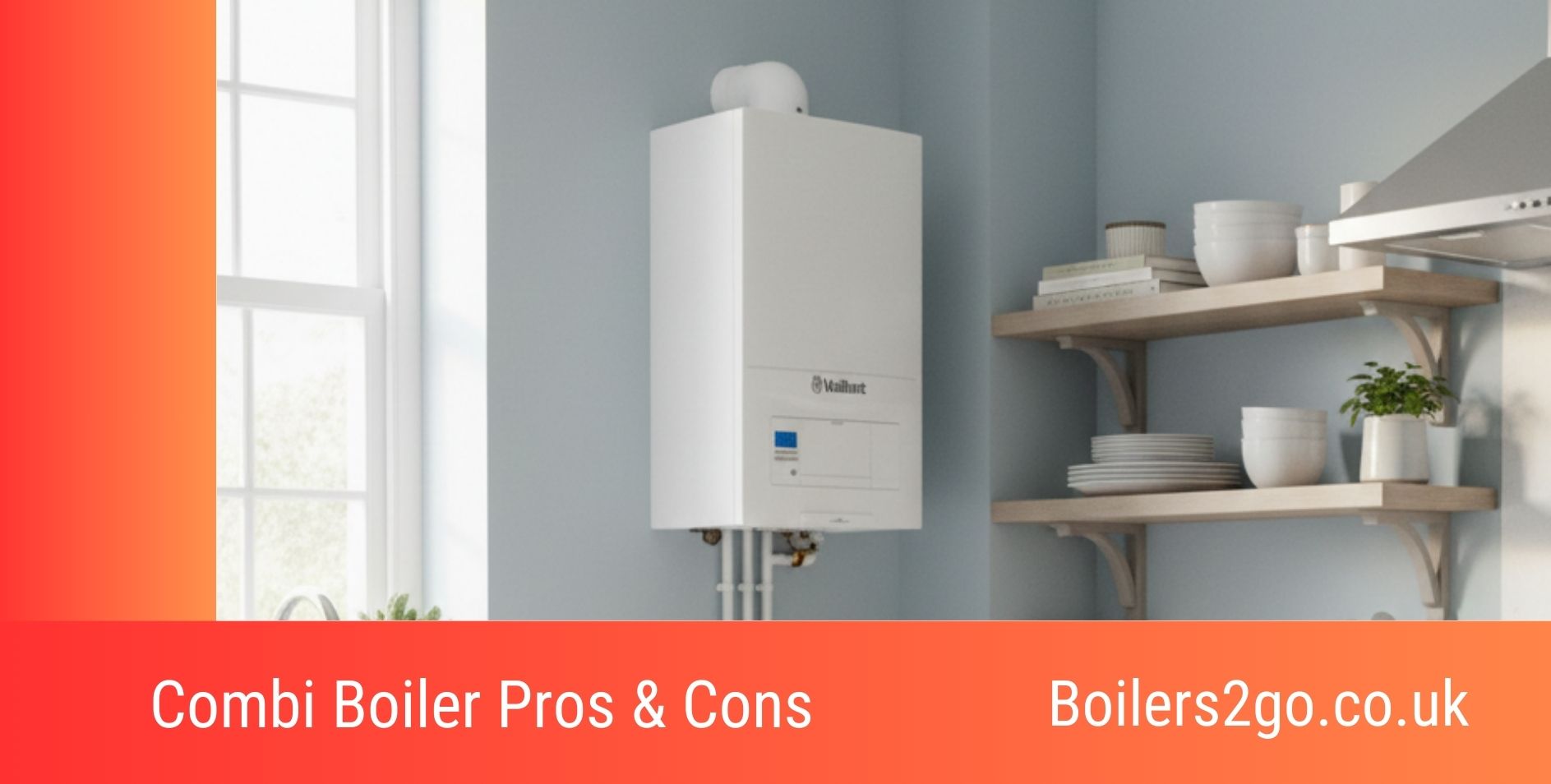
When weighing up combi boiler pros and cons, it’s essential for UK homeowners and landlords to consider how these compact heating systems balance convenience with potential limitations in everyday use.
Combination boilers, known for their on-demand hot water and space efficiency, have become a staple in many British properties, but understanding their advantages and drawbacks can help you decide if they fit your home or rental setup.
What Are the Main Advantages of Choosing a Combi Boiler?
The main advantages of choosing a combi boiler include its compact design, energy efficiency, and instant hot water supply, making it a top pick for smaller UK homes without the need for bulky tanks.
These units heat water directly from the mains, eliminating cold water storage and reducing heat loss, which translates to lower energy bills and a smaller carbon footprint.
For landlords, this means easier installations in flats or terraced houses, potentially increasing property appeal with modern, low-maintenance heating. If these benefits sound appealing, request a new boiler quote from Boilers 2 Go to see how a combi could upgrade your system.
Space-Saving Design
One standout pro is the space-saving design; combi boilers integrate heating and hot water functions into a single wall-mounted unit, freeing up loft or cupboard space that traditional systems occupy with cylinders and tanks. This is particularly beneficial in compact UK apartments where every square metre counts.
Cost-Effective Operation
Combi boilers offer cost-effective operation through high efficiency ratings, often exceeding 90% in condensing models, which recapture heat from exhaust gases to minimise fuel waste. Homeowners can enjoy reduced gas bills, especially with smart thermostats that optimise usage.
Quick and Convenient Hot Water
With quick and convenient hot water on demand, you avoid waiting for a tank to refill or reheat, providing endless supply as long as the mains pressure holds up. This suits busy households needing simultaneous use for showers or taps without interruption.
What Are the Key Disadvantages of a Combi Boiler?
The key disadvantages of a combi boiler revolve around water pressure dependency, limited simultaneous output, and potential breakdown impacts, which might make them less ideal for larger UK properties with high demand. Since they rely on mains supply, any pressure fluctuations can affect performance, leading to weaker showers in areas with low water flow.
Landlords should note that while efficient, combis may require more upfront planning for multi-occupancy rentals to avoid tenant complaints.
Dependency on Mains Water Pressure
A major con is the dependency on mains water pressure; if your home has low pressure, the boiler can’t deliver strong flows to multiple outlets, resulting in trickling taps or lukewarm showers during peak times.
No Backup Hot Water Storage
Without backup hot water storage, a combi boiler leaves you without heating or water if it fails, unlike systems with immersion heaters as alternatives. This vulnerability calls for regular servicing to prevent unexpected downtime.
Higher Initial Installation Costs
Combi boilers can have higher initial installation costs, especially if converting from a conventional setup, involving pipework changes and Gas Safe engineering fees, though long-term savings often offset this for energy-conscious homeowners.
How Do Combi Boilers Save Energy Compared to Other Types?
Combi boilers save energy compared to other types by eliminating the need to keep water hot in storage, reducing standby losses and using modulating burners that adjust output to match demand precisely. In UK climates, this can cut annual heating costs by up to 20% versus regular boilers, aligning with eco-friendly standards like ErP directives.
For properties aiming for better insulation ratings, combis integrate well with underfloor heating or radiators, maximising fuel efficiency.
What Impact Do Combi Boilers Have on Property Value?
Combi boilers have a positive impact on property value by offering modern, efficient heating that appeals to buyers seeking low-running-cost homes, potentially boosting EPC scores in UK market listings. Landlords benefit from quicker tenant turnovers in energy-rated rentals, as prospective occupants prioritise sustainable features.
Upgrading to a combi can be a smart investment, especially in urban areas where space is premium.
How Suitable Are Combi Boilers for Large Households?
Combi boilers are suitable for large households only if water demand is moderate; they struggle with multiple simultaneous uses, like running several showers, leading to pressure drops and inconsistent temperatures. For bigger UK family homes, alternatives like system boilers with cylinders might better handle peak loads.
Assessing your property’s needs, such as bathroom count, is crucial before deciding.
What Maintenance Challenges Come with Combi Boilers?
Maintenance challenges come with combi boilers due to their complex internals, like heat exchangers prone to limescale in hard water regions, requiring annual checks to avoid efficiency drops or costly repairs. While straightforward for Gas Safe pros, neglecting this can void warranties and increase breakdown risks.
Homeowners in calcareous areas might need water softeners to mitigate issues.
How Do Electric Combi Boilers Differ in Pros and Cons?
Electric combi boilers differ in pros and cons by offering zero emissions and easier installation without gas lines, but they face higher running costs due to electricity prices and may not suit off-peak tariffs. Ideal for gas-free UK properties, they provide similar on-demand benefits with fewer flue requirements.
Looking for a New Boiler Quote?
If exploring combi boiler pros and cons has you considering a switch or upgrade, look no further. At Boilers 2 Go, we provide personalised quotes for reliable combi boilers that match your UK home or landlord requirements. Our team offers expert advice on models with top efficiency, quick installations, and financing options to make the transition seamless.
Request a new boiler quote today from Boilers 2 Go and discover how we can enhance your heating system’s performance while keeping costs down.
FAQs
Can Combi Boilers Integrate with Smart Home Systems?
Combi boilers can integrate with smart home systems like Hive or Nest, allowing remote control and scheduling to optimise energy use, though compatibility varies by model and may require additional hubs.
How Do Combi Boilers Perform in Cold UK Winters?
Combi boilers perform well in cold UK winters with weather compensation features that adjust output for external temperatures, but insulating pipes prevents freezing and maintains reliability.
Are There Grants Available for Combi Boiler Upgrades?
Grants like the Boiler Upgrade Scheme are available for combi boiler upgrades to heat pumps or efficient models, helping offset costs for eligible UK homeowners focused on green heating.
What Noise Levels Should I Expect from a Combi Boiler?
Noise levels from a combi boiler are typically low, around 40-50 dB when operating, comparable to a quiet conversation, though older units might hum more noticeably during ignition.
How Long Does a Combi Boiler Typically Last?
A combi boiler typically lasts 10-15 years with proper maintenance, influenced by usage and water quality, after which efficiency drops and replacement becomes cost-effective.

I’m Penny North, a home energy heating expert. My mission is to demystify new boilers and complex heating systems to help you achieve a warm, cosy home with lower energy bills and a smaller environmental footprint.