

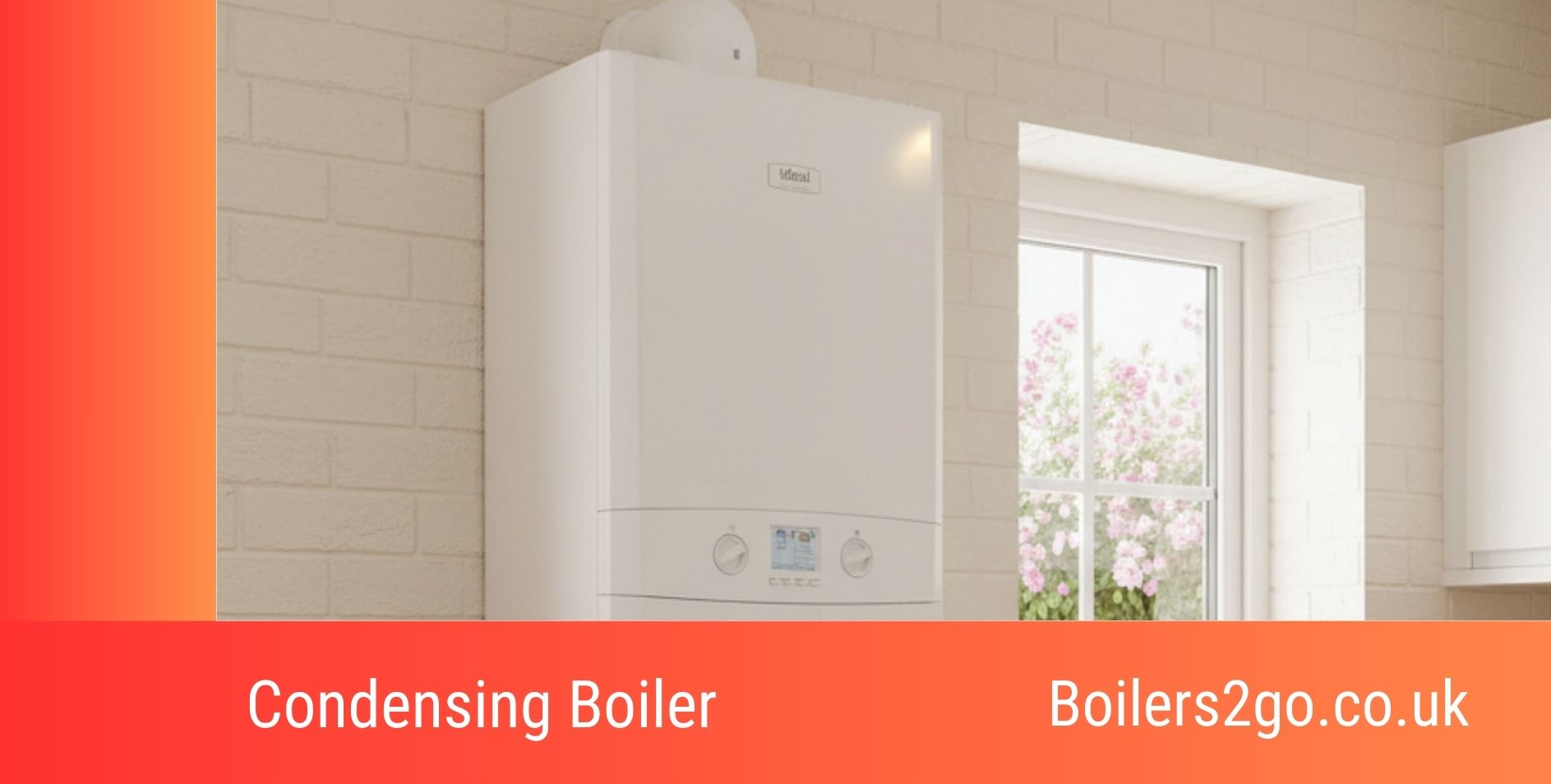
Wondering how do I know if my boiler is condensing? As a UK homeowner or landlord, recognising whether your gas boiler is a high-efficiency condensing model can help you gauge its energy performance and potential savings on heating bills.
Condensing boilers recover heat from exhaust gases, making them more eco-friendly and cost-effective than older non-condensing types.
How Can I Tell if My Boiler Is Condensing?
You can tell if your boiler is condensing by examining key features like the presence of a condensate drain, the type of flue system, and its installation date, among other indicators. These signs distinguish modern efficient boilers from outdated ones, ensuring you’re compliant with UK energy standards.
Start with a simple visual inspection around your heating unit. If you’re unsure or spot issues, it might be time to consider an upgrade. Request a new boiler quote from Boilers 2 Go to explore efficient options tailored for your property.
What Does a White Plastic Pipe Under My Boiler Mean?
A white plastic pipe under your boiler means it’s likely a condensing model, as this is the condensate pipe that drains away acidic water produced during the heat recovery process in efficient gas boilers.
This PVC pipe, often leading to an external drain, handles the condensation formed when flue gases cool below the dew point, a hallmark of condensing technology.
Without this pipe, your system probably lacks the secondary heat exchanger needed for condensation, indicating a less efficient non-condensing boiler. For landlords, confirming this can aid in maintaining high EPC ratings for rental homes.
How Does the Flue Type Indicate a Condensing Boiler?
The flue type indicates a condensing boiler if it’s made of white plastic or PVC, designed to handle cooler, moist exhaust gases safely without corrosion, unlike the metal flues on non-condensing models that expel hotter vapours. In condensing systems, the flue is often horizontal and vents through an external wall, allowing acidic condensate to drain properly.
Observing white plumes from a metal flue suggests heat loss and non-condensing operation, while invisible emissions from a plastic flue confirm efficient heat recapture. This visual check is straightforward for UK homeowners assessing their central heating setup.
For a comparison, view this diagram showing flue types for condensing versus non-condensing boilers.
When Was My Boiler Installed and Does It Affect Condensing Status?
When your boiler was installed affects its condensing status because UK regulations mandated that all new gas and oil boilers fitted after April 2005 must be condensing types to meet higher energy efficiency standards.
If your unit predates this, it’s probably a non-condensing boiler with lower efficiency, potentially wasting up to 30% of heat through the flue.
Checking installation records or the boiler’s serial number can confirm the date, helping landlords ensure compliance for property sales or rentals.
How Can I Check My Boiler’s Manual or Database for Condensing Info?
You can check your boiler’s manual or database for condensing info by looking for terms like “condensing” or efficiency ratings above 86%, often detailed in the user guide or online resources like the Product Characteristics Database (PCDB). The manual might specify a secondary heat exchanger or condensate management, key to condensing operation.
If the manual is missing, search the manufacturer’s website using your model number to verify if it’s a high-efficiency condensing unit, essential for understanding your home heating system’s performance.
What Role Does Efficiency Rating Play in Identifying Condensing Boilers?
The efficiency rating plays a key role in identifying condensing boilers, as they typically achieve 90% or higher Seasonal Efficiency of Domestic Boilers in the UK (SEDBUK) ratings, far surpassing the 70-80% of non-condensing models. Look for an A-rated energy label on newer boilers, indicating advanced heat recovery from waste gases.
This rating reflects how well the boiler converts fuel into usable heat, reducing carbon footprint and utility costs for UK properties.
How Do Flue Emissions Help Determine if It’s Condensing?
Flue emissions help determine if it’s condensing by showing invisible vapours when operating efficiently, as heat is recaptured and gases cool; visible white steam indicates lost energy and non-condensing behaviour. During cold weather, a lack of pluming from the flue suggests the boiler is condensing properly, reusing latent heat.
This observation is a practical way for homeowners to assess real-time performance without tools.
Is My Boiler Actually Condensing Based on Return Temperature?
Your boiler is actually condensing based on return temperature if the water returning from radiators is below 54°C, allowing flue gases to condense and release extra heat; higher temperatures prevent this mode. You can test by adjusting thermostat settings or using a thermometer on pipes, ensuring optimal efficiency in your heating appliance.
For accurate checks, consult a Gas Safe engineer, especially if efficiency seems low.
Need a New Boiler Quote?
If determining whether your boiler is condensing has highlighted the need for a more efficient system, we’re here to help. At Boilers 2 Go, we offer free, no-obligation quotes for top-rated condensing boilers that suit UK homes and investment properties.
Our experts can evaluate your current setup, recommend energy-saving models, and provide professional installation to boost your heating efficiency.
Contact Boilers 2 Go today to request a new boiler quote and start saving on energy bills while enhancing your property’s value.
FAQs
Why Might a Condensing Boiler Stop Condensing Over Time?
A condensing boiler might stop condensing over time due to limescale buildup in hard water areas, which insulates the heat exchanger and raises temperatures, preventing efficient operation. Regular descaling can restore its performance.
How Does System Design Impact Whether My Boiler Condenses Effectively?
System design impacts whether your boiler condenses effectively through radiator sizing and pipework; oversized radiators allow lower flow temperatures, promoting condensation and higher efficiency in UK setups.
What Environmental Benefits Come from Confirming a Condensing Boiler?
Confirming a condensing boiler brings environmental benefits like reduced CO2 emissions, as they reuse heat that non-condensing models waste, supporting UK’s carbon reduction targets for domestic heating.
Can Upgrading Controls Help Verify Condensing Operation?
Upgrading controls like weather compensation thermostats can help verify condensing operation by automatically adjusting temperatures to keep returns low, ensuring consistent heat recovery without manual checks.
How Do Fuel Types Influence Condensing Boiler Identification?
Fuel types influence condensing boiler identification as oil-fired models may have different flue setups, but gas versions dominate in UK homes; checking for compatible condensate handling confirms the type regardless of fuel.

I’m Penny North, a home energy heating expert. My mission is to demystify new boilers and complex heating systems to help you achieve a warm, cosy home with lower energy bills and a smaller environmental footprint.