

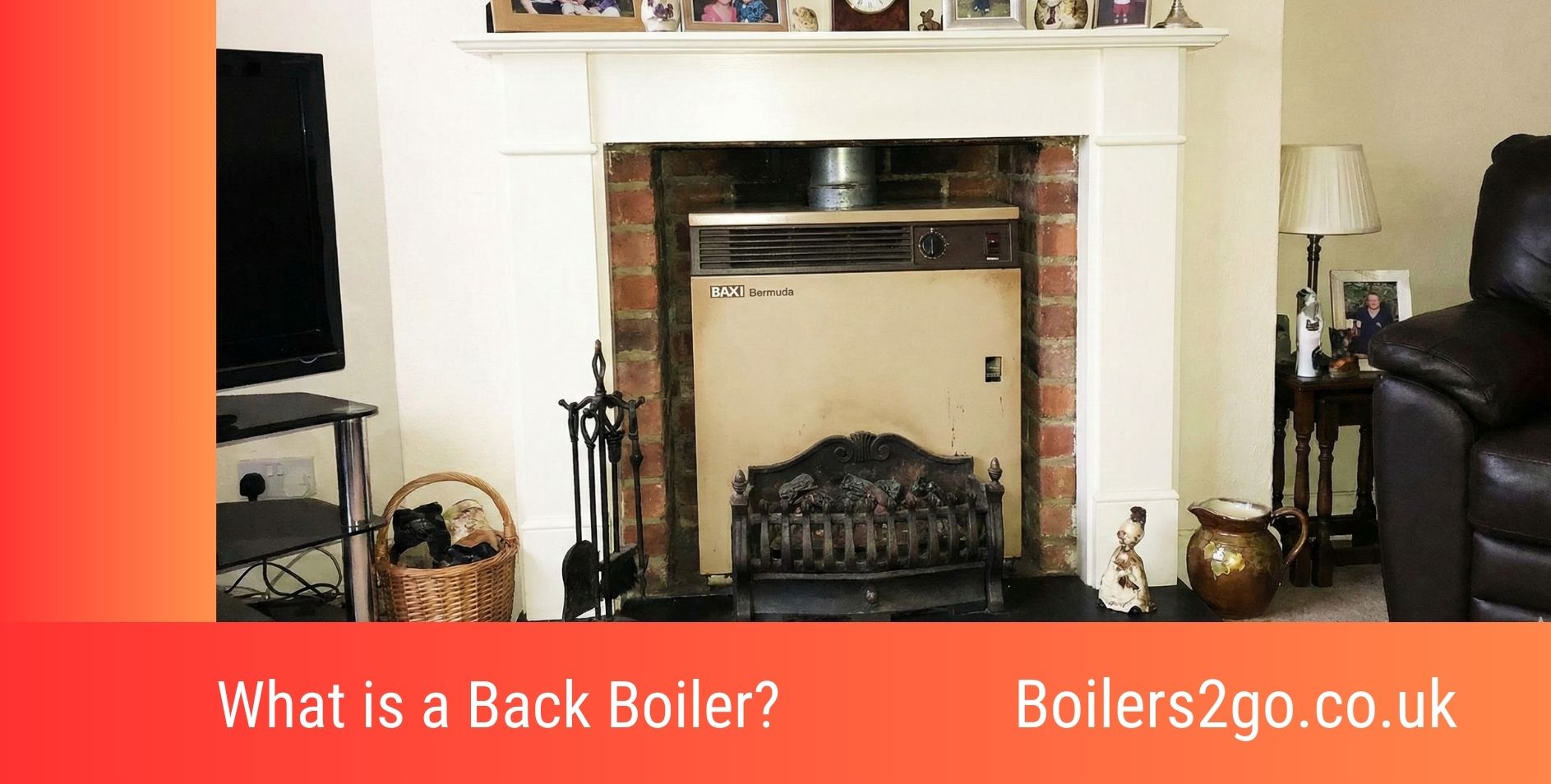
As a long-standing expert in the UK boiler industry, I’ve spent decades advising homeowners and landlords on everything from vintage setups to the latest energy-efficient models, and one topic that still comes up is the back boiler—those hidden gems (or headaches) tucked away behind fireplaces in many older British homes.
In this guide, I’ll break down what a back boiler is, how they operate, their upsides and downsides, associated costs, and how they stack up against today’s alternatives, all to help you make informed decisions for your property.
What Is a Back Boiler?
A back boiler is a type of central heating unit installed directly behind a fireplace or stove, designed to heat water using the fire’s energy while also warming the room. From my experience, these systems were a clever space-saver in their heyday, often powered by gas, solid fuel like coal, or even wood, and they piped hot water to radiators and taps throughout the home.
Types of Back Boilers
You’ll typically find gas back boilers in urban homes for their convenience, while solid fuel versions suit rural spots with easy access to coal or logs—each ties into the home’s chimney for venting, making them a seamless fit for traditional fireplaces.
How Does a Back Boiler Work?
A back boiler works by capturing heat from the fireplace’s firebox to warm water in a built-in chamber, which then circulates through your home’s pipes to heat radiators and provide hot water on demand.
In my hands-on view, it’s like a mini furnace hidden in plain sight: the fire heats the boiler’s water jacket, and a pump pushes that hot water around, with gravity or pumps aiding flow in older gravity-fed systems.
Key Components of a Back Boiler System
Essential parts include the heat exchanger that transfers fire heat to water, a flue for safe exhaust, and controls like thermostats to regulate temperature—synonyms like ‘fireback boiler’ often refer to the same setup, emphasising its integration with the hearth.
What Are the Pros and Cons of Back Boilers?
The pros and cons of back boilers boil down to their nostalgic charm versus modern inefficiencies: on the plus side, they’re compact and dual-purpose, but drawbacks include high running costs and maintenance challenges.
Drawing from landlord consultations I’ve done, pros shine in space-tight properties, while cons often push for upgrades in energy-conscious times.
Advantages of Back Boilers
They save space by combining heating and a focal fireplace, offer reliable warmth in power cuts for solid fuel types, and can be cost-effective if you have cheap fuel sources—ideal for homeowners cherishing that open fire ambiance.
Disadvantages of Back Boilers
Efficiency hovers around 60-70%, wasting energy compared to 90%+ modern boilers, leading to bills up to £630 higher annually; they’re tricky to service, pose safety risks like carbon monoxide if neglected, and are being phased out under UK net-zero goals.
How Much Does a Back Boiler Cost?
A back boiler costs vary widely, but expect £2,000-£5,000 for replacement or installation, including removal of the old unit and chimney adaptations. In my expert estimation, ongoing running costs sting more—gas models might rack up £1,000+ yearly in fuel, far pricier than efficient alternatives, especially with 2025 energy prices.
Installation and Maintenance Expenses
New installs are rare now, but repairs can hit £200-£500 per fix; annual servicing, mandatory for safety, adds £100-£150, factoring in Gas Safe engineer fees for compliance.
Replacement Costs
Swapping to a combi boiler runs £1,500–£4,500 including labour, but grants like ECO4 could cover it fully for eligible low-income households, slashing those upfront hits.
Many homeowners now opt for a back boiler conversion to a combi boiler to improve efficiency, free up space, and eliminate the ongoing maintenance issues tied to older fireplace-based systems.
How Do Back Boilers Compare to Other Types of Boilers?
Back boilers compare to other types of boilers like combi, system, or regular models by being less efficient and more integrated, but they lag in convenience and eco-friendliness. From my unique perspective after comparing countless systems, back boilers suit retro vibes, whereas modern ones prioritise speed and savings for busy UK lifestyles.
Back Boiler vs. Combi Boiler
Combi boilers heat water instantly without tanks, boasting 90%+ efficiency versus back boilers’ lower rates, making them cheaper to run and easier to install in small flats—perfect for landlords minimising void periods.
Back Boiler vs. System Boiler
System boilers store hot water in a cylinder for multiple taps, offering better flow than back boilers’ often sluggish output, with built-in pumps for consistent pressure in larger homes.
Back Boiler vs. Regular (Conventional) Boiler
Regular boilers use separate tanks for hot water and heating, similar to back boilers but more efficient and adaptable to renewables, reducing carbon footprints under UK regulations.
When Should You Consider Getting a New Boiler Quote?
If your back boiler is over 20–30 years old, guzzling fuel, or showing safety red flags like unusual noises or leaks, it’s high time to weigh a replacement for better efficiency and peace of mind.
One common concern homeowners raise is disruption, but understanding how messy removing a back boiler really is can help set realistic expectations and reduce anxiety before committing to an upgrade.
As someone who’s guided many through this transition, I recommend requesting a free quote for a new energy efficient boiler that could halve your bills and boost your property’s value—whether you’re a homeowner seeking comfort or a landlord ensuring tenant safety, their experts tailor solutions; visit their site or call today to explore options without obligation.
FAQs
How has UK legislation evolved regarding back boilers in recent years?
Recent UK laws, including the 2025 push towards net-zero homes, increasingly restrict non-condensing back boilers, encouraging grants for eco-upgrades to meet stricter emission standards.
What role do back boilers play in historic or listed properties?
In listed buildings, back boilers can preserve architectural integrity by maintaining original fireplaces, but special permissions might be needed for modifications under heritage guidelines.
Are there any modern innovations adapting back boiler concepts?
Some contemporary designs incorporate back boiler elements into biomass stoves, blending traditional aesthetics with renewable fuels for sustainable heating in off-grid UK homes.
How do back boilers impact home insurance policies?
Insurers may charge higher premiums for homes with older back boilers due to fire risks, so disclosing and servicing them regularly can help keep costs down.
Can back boilers integrate with smart home technology?
While basic, some back boilers can link to smart thermostats for better control, though full integration often requires partial upgrades to compatible components.

I’m Penny North, a home energy heating expert. My mission is to demystify new boilers and complex heating systems to help you achieve a warm, cosy home with lower energy bills and a smaller environmental footprint.