

What a Boiler Flue Is In Simple Terms
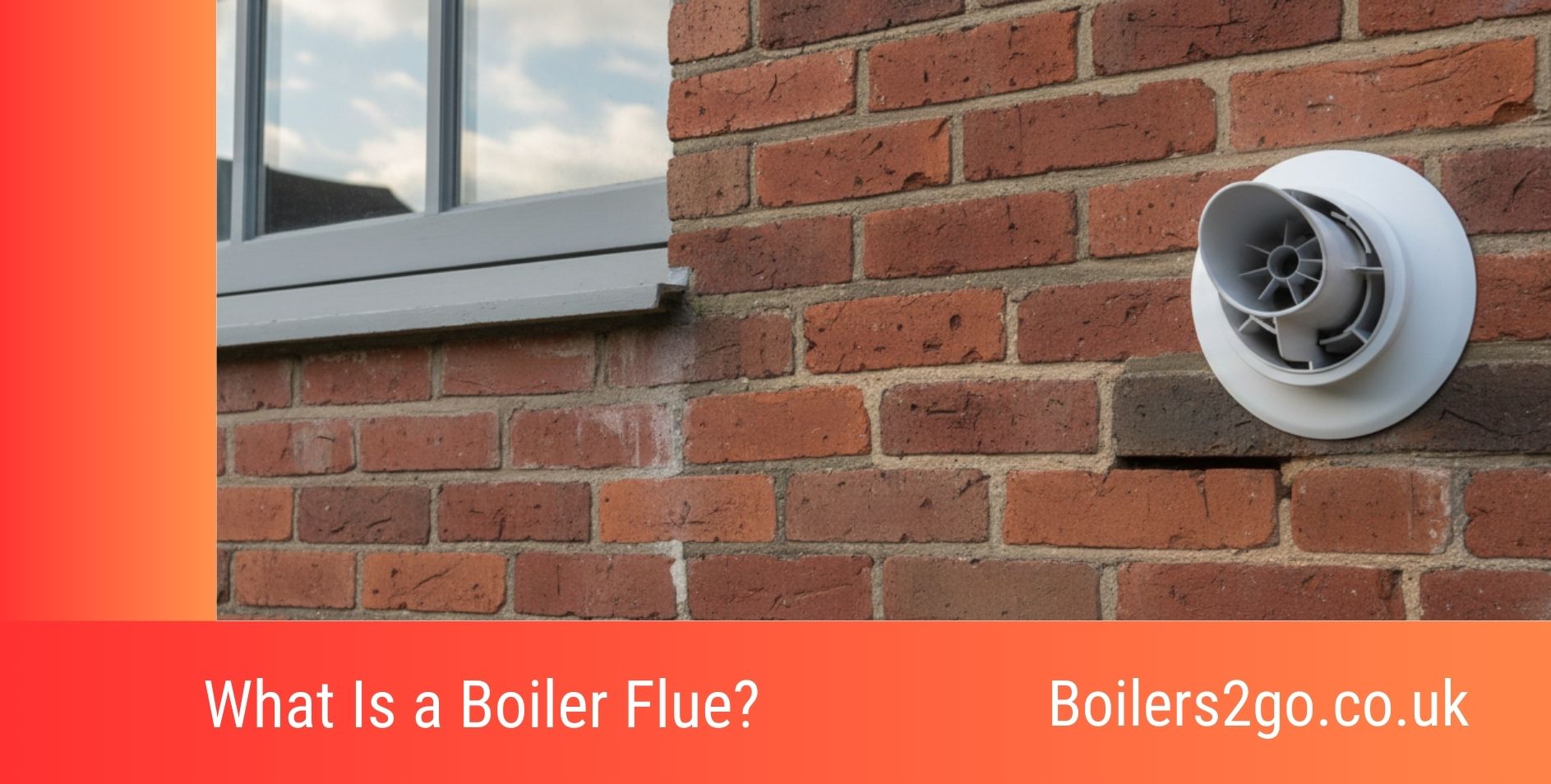
A boiler flue is the exhaust pipe that safely carries waste gases from your boiler to outside your home. Every time your boiler heats water or radiators, it produces gases such as carbon dioxide, water vapour, and small traces of carbon monoxide. The flue’s job is to remove those gases so they don’t build up indoors.
When a flue is working properly, you rarely notice it. When it isn’t, it can affect everything from hot water to safety — often without much warning.
How a Boiler Flue Works Day to Day
Modern UK boilers are sealed systems. They don’t take air from inside your home, which makes them far safer than older designs.
Most use a pipe-inside-a-pipe setup. Fresh air is drawn in through the outer section, while exhaust gases are pushed out through the centre. A small fan keeps everything moving smoothly.
That white cloud you sometimes see outside on cold mornings isn’t smoke. It’s water vapour condensing in the cold air — a normal by-product of efficient boilers.
Where You’ll Usually Find the Flue in a UK Home
In most homes, the flue exits straight through an external wall. You’ll see a short, round terminal outside, often near a kitchen or utility room.
If the boiler isn’t close to an outside wall, the flue may run vertically and exit through the roof instead. Both arrangements are common and safe when installed correctly.
Knowing where your flue exits is useful — especially when checking for blockages or after storms.
The Main Types of Boiler Flues (Simply Explained)
From a homeowner’s point of view, flue types are straightforward.
Some flues run horizontally through a wall. These are the most common in modern UK homes. Others run vertically and exit through the roof when a side wall isn’t suitable.
You may also hear the terms concentric flue or twin-pipe system. A concentric flue is the single pipe-within-a-pipe design used on most modern boilers. Twin-pipe systems use two separate pipes but do the same job — one brings air in, the other takes gases out.
The boiler model and installation location determine which type is used.
Why Boiler Flues Cause Real-Life Problems
On paper, flues are simple. In real homes, they’re exposed to British weather, wildlife, neighbours, renovations, and everyday family life. That’s where problems tend to creep in.
Everyday Blockages Homeowners Don’t Expect
Bird nests are one of the most common flue issues. In spring, sparrows and swifts often build nests inside flue terminals, especially white plastic ones. The boiler then shuts down unexpectedly — usually first thing in the morning when heating or showers are needed.
Autumn and winter bring different problems. Leaves, frost, or heavy condensation can partially block a flue, causing intermittent heating or hot water failures that come and go until colder weather makes them obvious.
A quick look at the external terminal after mild or stormy weather can sometimes explain sudden boiler lockouts.
Steam, Neighbours, and Misunderstandings
Condensing boilers often produce visible steam on cold mornings. To neighbours, this can look like smoke and cause concern, even when the system is working normally.
In tighter spaces — terraces or semis — flues near boundaries can trigger complaints about “fumes”, despite being compliant. In some cases, councils get involved due to perceived odours. Correct positioning during installation helps avoid these situations later.
Renovation Surprises That Catch People Out
Flues frequently reappear during home improvements. Kitchen extensions and loft conversions often uncover boxed-in flue runs that builders don’t realise are there.
Damage can happen before anyone notices, sometimes leading to failed inspections or carbon monoxide risks mid-project. Even new windows or doors can change airflow enough to draw exhaust gases back indoors, with headaches or CO alarms being the first clue something’s wrong.
Family Life and Overlooked Flue Risks
In busy households, flues take accidental knocks. Footballs, bikes, and garden toys can crack or loosen the external terminal, especially during school holidays when heating use increases.
Older relatives sometimes dismiss dark marks or staining around the flue as “just dirt”, delaying checks until a carbon monoxide alarm finally sounds — often at night.
Common Maintenance Myths That Make Things Worse
Some homeowners try to clean the flue like a chimney. Pressure washing or poking inside the terminal can damage seals and joints, creating leaks that weren’t there before.
Others assume that no visible steam means the boiler isn’t working hard. In reality, small efficiency drops often go unnoticed until winter demand peaks and repair bills follow. UV damage to plastic flues is another issue professionals spot during servicing but DIY checks often miss.
Can You Work on a Boiler Flue Yourself?
In the UK, any work involving a boiler flue counts as gas work and must be carried out by someone registered with the Gas Safe Register.
Even minor alterations can cause carbon monoxide leaks, invalidate warranties, and break Building Regulations. Flues are not an area for DIY fixes.
How Long Boiler Flues Last (and Why Servicing Matters)
A flue usually lasts around 10 to 15 years — similar to the boiler itself. Weather exposure, poor installation, or building movement can shorten that lifespan.
That’s why every proper annual boiler service should include a flue check. Joints, seals, supports, and the terminal all need to be secure. Catching issues early is far cheaper than dealing with a breakdown in mid-winter.
The Takeaway for Homeowners
A boiler flue may look like a simple pipe, but it quietly affects safety, comfort, neighbour relations, and even renovation plans. Knowing where it is, keeping it clear, and having it checked annually is usually all that’s required.
When something doesn’t look right — or just doesn’t feel right — it’s worth acting early. With flues, the biggest problems are usually the ones people didn’t think mattered at the time.

I’m Penny North, a home energy heating expert. My mission is to demystify new boilers and complex heating systems to help you achieve a warm, cosy home with lower energy bills and a smaller environmental footprint.