

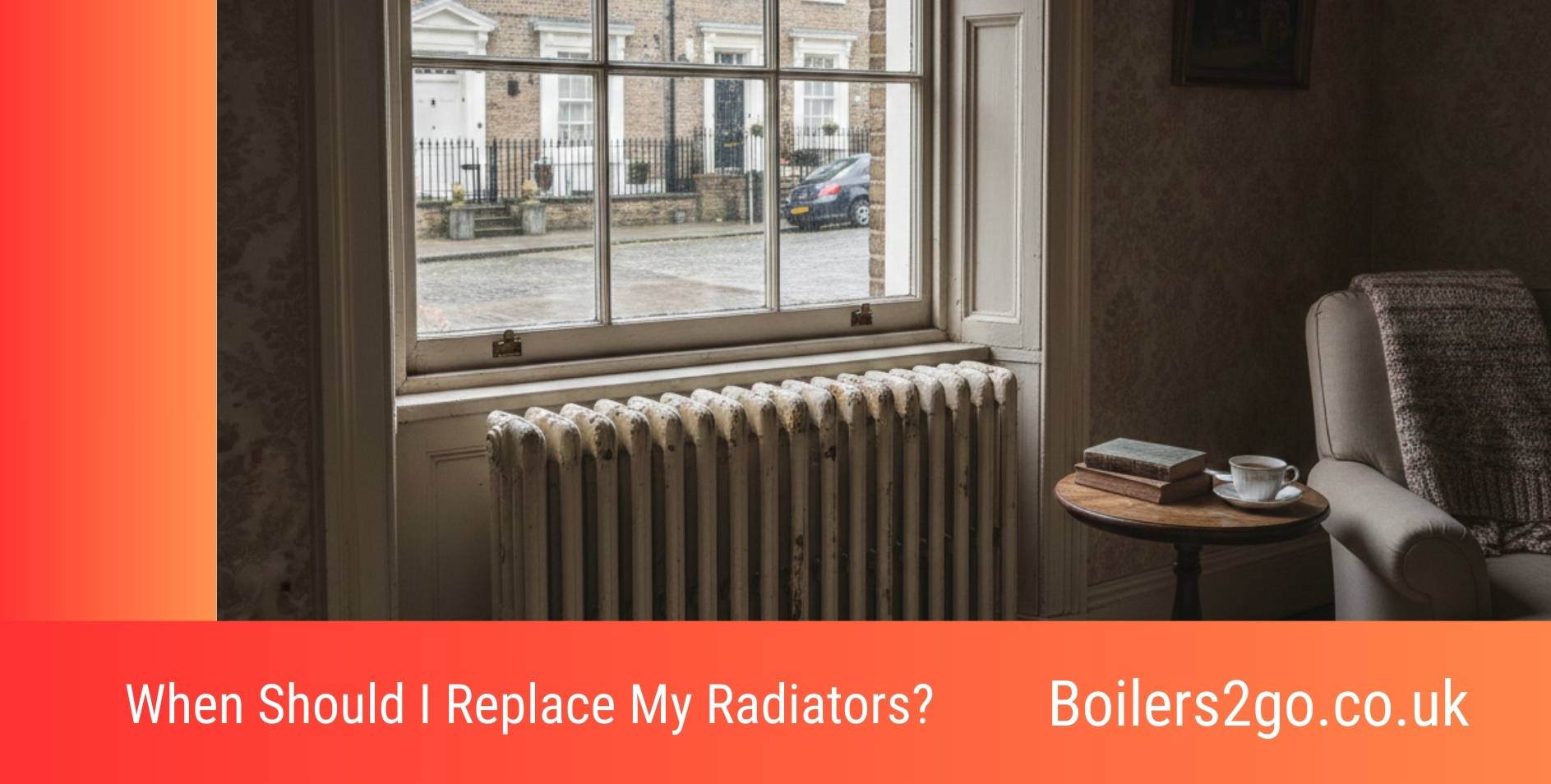
Radiators aren’t glamorous household items, until they stop doing their job properly. Hot rooms, cold spots, uneven heating, dripping valves: suddenly everyone notices them. Before replacing every unit in a home, it’s worth answering a few simple questions to figure out whether a repair, a partial upgrade, or a full replacement makes the most sense for comfort and budget. When dealing with radiator heating issues and solutions, it’s essential to understand the common problems that can arise. Regular maintenance can often prevent minor issues from escalating into costly repairs, and consulting a professional can help confirm whether the current system is adequate or needs adjusting for better efficiency.
This guide helps with that decision, and shows typical UK costs so repair can be compared against replacement.
Step 1: Are the Radiators Heating Evenly?
Turn the heating on for at least 20 minutes and walk around the house.
Radiator warm all over, top to bottom? This is normal.
Cold patches remain after bleeding? This suggests sludge, internal corrosion, or a persistent flow problem.
Typical Costs
- Bleeding a radiator: free (tool around £5–£10)
- Engineer bleed call-out: £40–£80
- Partial flush of a single radiator: £60–£120 DIY if simple, £120–£220 engineer-assisted
Decision
- Radiator warms evenly: probably keep and monitor
- Persistent cold spots even after bleeding: replacement may be more cost-effective
Cold patches that don’t go away after a basic bleed often mean internal blockages, such as sludge or corrosion, and that’s a scenario where repair doesn’t always fix the root cause.
Step 2: Any Visible Damage, Rust, or Leaks?
Walk close and look at the body and the valve area for rust, blistered paint or bubbled metal, and wet patches or staining under valves.
Once a radiator starts leaking or shows corrosion, it’s rarely worth trying to fix it indefinitely.
Typical Costs
- Valve replacement only: £40–£90 (DIY) or £90–£150 (engineer)
- Radiator replacement: £80–£250 per standard panel unit, plus £50–£100 labour per radiator
Decision
- No rust or leaks: try repair first
- Rust or leaks present: replacement probably makes better long-term sense
Step 3: Is the Same Radiator Being Fixed Again and Again?
Has an engineer been called out repeatedly because a radiator keeps losing pressure, gurgling, or needing air removed?
If the issue keeps coming back, the extra time and call-out fees stack up quickly.
Typical Costs Over Time
- Monthly visits for minor bleeding or valve tweaks: £500–£800 per year
- One-off radiator replacement: £500–£1,000 total for a handful of units
Decision
- Occasional fixer-up jobs: repair may be fine
- Frequent engineer visits: replace sooner to save in the long run
Repeated minor fixes are often a symptom, not the solution. Replacement ends the cycle.
Step 4: Has the Boiler or Insulation Been Upgraded?
If a new boiler has been installed, cavity wall insulation improved, most windows double-glazed, or heat loss reduced significantly, the old radiators may simply be too weak to take full advantage of the better system. To maximise efficiency, it’s worth considering radiator maintenance during boiler service to ensure they operate effectively alongside the new setup. Proper bleeding and balancing of the radiators can enhance heat distribution throughout a home, and inspecting for leaks while confirming the TRVs are functioning correctly will further improve overall performance.
Incorporating boiler controls for efficient heating can also play a role in optimising the performance of the system. Adjusting temperature settings according to demand helps keep a home comfortable without unnecessary energy waste, and regular updates to control systems can lead to further efficiency gains, making the most of an investment in a new boiler.
Heating upgrades often reveal radiator shortcomings.
Replacement Benefits (Versus Repairing Old Units)
- More evenly distributed heat
- Better matching to modern, lower-temperature boilers
- Higher responsiveness with thermostatic radiator valves (TRVs)
Decision
- Rooms warm evenly after upgrade: no immediate radiator urgency
- Cold rooms despite upgrades: radiator replacement very likely needed
Step 5: Looking Ahead, Long-Term Comfort, Efficiency, and Future Systems
Even if radiators technically work, there are a few situations where it makes strategic sense to replace them. One reason is the aesthetic appeal that cast iron radiator styles for homes can provide, enhancing the overall interior design. Newer models also offer improved energy efficiency, helping reduce heating costs while maintaining comfort, and homeowners looking to upgrade will find these styles can serve as both functional and decorative elements.
- During room renovations, to limit decoration impact
- Before switching to a heat pump, since modern radiators perform better at the lower temperatures heat pumps run at
- When planning a full heating overhaul, so the job is done once and done properly
Repair vs Replace: What It Really Costs (Typical UK Examples)
| Scenario | Repair Approach | Replace Approach |
| Single radiator with cold patch | Bleed + local flush: £60–£150 | New radiator + install: £150–£350 |
| Leaky valve | Replace valve only: £90–£150 | Replace radiator and valve: £200–£400 |
| Recurring air & cold spots | Repeat call-outs: £300–£600/yr | Replace problematic units: £800–£1,600 |
| Whole ground floor upgrade | Partial fixes: £400–£800 over time | New set of Type 22 radiators: £1,200–£2,000 |
Repair costs can look cheaper at first, but repeated call-outs, poor performance and lost comfort add up fast. In many cases, replacing radiators moves into better value territory within a couple of years.
How to Decide Quickly (Summary)
Replace Radiators If
- They won’t heat evenly even after bleeding
- There’s rust, leaks or corrosion
- Frequent fixes are becoming costly
- The boiler or insulation has been upgraded
- A renovation or future heating change is being planned
Repair (and Watch) If
- Radiators heat evenly most of the time
- Issues only pop up occasionally
- A simple valve or bleed fixes most problems
Tips Before Booking Anything
Using a radiator-sizing calculator to match new units to a room’s heat demand is worth doing, since many people undersize or oversize without realising. Replacing one or two problem units first and living with them for a season, before overhauling the whole house, is also a sensible approach. Pairing new radiators with a Gas Safe registered engineer’s powerflush and inhibitor treatment protects them and prolongs performance, and combining replacements with TRVs and smart controls helps save energy and boost comfort.
Radiator replacement doesn’t have to be a big, daunting decision. With a bit of practical checking and a clear cost comparison, it’s possible to choose the smartest, most cost-effective path for a home, whether that’s a repair, a staged refresh, or a full upgrade.
FAQs
How Long Do Radiators Typically Last Before Needing Replacement?
Most steel panel radiators last 15 to 20 years with reasonable care, though poor water quality or a lack of inhibitor can shorten that considerably. Cast iron radiators can last much longer, often decades, provided they’re maintained.
Can Old and New Radiators Be Mixed in the Same Central Heating System?
Yes, this is common practice, particularly when replacing units in stages. It’s worth making sure any new radiators are correctly sized and balanced against the rest of the system to avoid one room outperforming another.
Does Radiator Replacement Affect a Boiler’s Warranty?
Generally not, provided the work is carried out competently and doesn’t affect the boiler itself. It’s still worth using a qualified installer, particularly if the system is being flushed or rebalanced as part of the work.
Are Bigger Radiators Always Better for a Room?
Not necessarily. An oversized radiator can overheat a room quickly and then cycle unnecessarily, while an undersized one struggles to reach a comfortable temperature at all. Correct sizing based on the room’s heat loss matters more than simply choosing the biggest unit that fits.
Is It Worth Upgrading Radiators Before Selling a House?
It can help with kerb appeal and buyer confidence, particularly if radiators are visibly rusted or dated, but it’s rarely essential unless there are functional problems. A working, well-maintained older radiator is unlikely to put off a serious buyer.
Can Radiators Be Repainted Instead of Replaced?
Yes, provided there’s no underlying corrosion or leaks. A radiator that’s functioning well but looks tired can often be refreshed with specialist radiator paint rather than replaced outright, which is a much cheaper option.
How Much Does Professional Radiator Sizing Cost?
Many installers include heat loss calculations as part of a quote at no extra charge, particularly when replacing several radiators at once. Standalone sizing surveys, where offered separately, typically cost a modest fixed fee depending on property size.
Do Smart TRVs Work With Old Radiators?
In most cases, yes, provided the radiator has a standard valve thread that a smart TRV head can fit onto. It’s worth checking compatibility with the specific radiator and valve type before buying, since a small number of older or unusual valve designs may need an adapter.

I’m Penny North, a home energy heating expert. My mission is to demystify new boilers and complex heating systems to help you achieve a warm, cosy home with lower energy bills and a smaller environmental footprint.